Bachelor of Engineering (B.Eng.)

Study mechatronic systems engineering part-time

Gain a broad understanding of engineering across the disciplines of mechanical engineering, electrical engineering and computer science whilst working, and stay on top of developments in a world of work shaped by AI. Pursue a career as an engineer (certified under the Bavarian Engineering Act) – even without Abitur.

Request info material
Content

What is the (part-time) Mechatronic Systems Engineering degree programme about (ST)?

The Bachelor’s degree programme in Systems Engineering focuses on the development and implementation of systems for modern products or production facilities. You will learn to develop, manage and administer complex machinery, plant and production processes. Systems engineers understand the interrelationships between mechanical engineering, electrical engineering and computer science, and are therefore able to manage complex technical systems holistically.


PARTICULARITIES

Strengths of the degree programme

Protected professional title: Engineer

This degree programme fulfils the requirements for holding the protected professional title of ‘Engineer’ under the Bavarian Engineers Act.

A broad technical foundation and a strong understanding of systems

Whilst artificial intelligence is increasingly able to take on specialised tasks, the ability to view the system as a whole remains a key human skill. The combination of several engineering disciplines fosters a strong systems-based approach.

A gentle introduction to engineering mathematics

By dividing the course into three modules, there is plenty of time to get to grips with the subject matter.

Compatibility of studying with professional and private life

The courses on Friday afternoons (apart from the block week) take place online or hybrid. This enables you to achieve an even better balance between your studies, work and private life.

Above-average student-to-staff ratio

Your voice counts: Our small group concept means that students benefit from active discussions with their lecturers.

Group learning: in person and online

You are not alone: at our regular in-person lectures you will come together as a study group to become a team that helps, motivates and supports one another.

Support from the ZWW

The Centre for Further Education and Knowledge Management (ZWW) understands the challenges of part-time study and is available to you as a competent partner for the entire duration of your studies.


Career opportunities

Advance your career

Your technical vocational training is by no means the end of the story. A Bachelor of Engineering opens up new opportunities for you – especially at a time when technological developments are having an ever-greater impact on day-to-day working life. Take the next step up the career ladder and take on more responsibility.

Structure and modules

How is the degree programme structured?

The four main pillars are mechanical and plant engineering in combination with applied electrical engineering and computer science, automation, control and simulation engineering, project management and controlling, and soft skills. Each pillar comprises at least two modules.

    • Mathematics for Engineers 1 and 2
    • Fundamentals of Electrical Engineering and Electronics
    • Physics with Laboratory Exercises
    • Engineering Mechanics
    • Statics
    • Fundamentals of Computer Science for Engineers
    • Technical English

    • Digital Process Chain in Manufacturing
    • Measurement Techniques with Laboratory Exercises
    • Simulation of Mechatronic Systems
    • Actuators and Drive Systems
    • Control Engineering with Laboratory Exercises
    • Design of Machine Elements
    • Materials Engineering
    • Internship Mechatronic Basics (usually credited)
    • Fundamentals of Engineering Design/CAD
    • Engineering Mechanics
    • Dynamics
    • Fundamentals of Business Administration
    • Project and Quality Management
    • Applied Informatics
    • Business English
    • General Scientific Elective Modules 1 and 2, for example "Web design"

    • Sensors and Signal Transmission
    • Project Seminar and Project Work
    • Introduction to Law
    • Accounting and Controlling
    • Exercises in Digitalisation
    • International Decision Making
    • Technical Documentation and Applied Writing Skills, e.g. "Business Plan Preparation"
    • Technical Elective Modules 1 and 2, e.g. "Usability" or "Software Development"
    • Industrial Placement (usually credited)
    • Specific Course (usually credited)
    • Bachelor Thesis

  • All modules can also be taken individually as part of the modular study programme.

    If you are interested, we will be happy to advise you on the selection of suitable modules. Just get in touch.


Studies and organisational matters

So that everything runs smoothly

What do I need to qualify for the programme? When do lectures take place? Is any funding available? Studying while working – how does it work? You can find all the answers here – so that everything runs smoothly.

  • Teaching is spread over Friday afternoon, 3:15 p.m.–6:30 p.m., Saturday, 8:15 a.m.–3:45 p.m. and up to a block week (Monday to Friday) from 8:15 a.m.–3:45 p.m. daily. The courses that fall on Friday afternoons take place online or hybrid. This enables you to achieve an even better balance between your studies, work and private life. The remaining courses are held in person at the OTH Regensburg. The lecture dates are set well in advance and the time spent on studying can be coordinated with family and employer at an early stage.


  • The degree programme is accredited and bears the seal of the Accreditation Council.


  • There are various admission routes, even without the standard university entrance qualification (Abitur):

    The admission requirement for the part-time Bachelor of Systems Engineering is completed vocational training and then three years of professional experience in the technical field or further training to become a master craftsman, technician or dual technician. With entrance qualification for universities of applied sciences (Fachabitur) or general university entrance qualification (Abitur), you can start studying straight after your training.


Benefit from our combined expertise

Lecturers

All our lecturers are either professors at the OTH Regensburg or experienced lecturers from professional practice. Lecturers must have at least three years of professional experience in industry, professors at least five years.

INFORM AND APPLY

The first step towards the future

Inform and apply

Tuition fees

19,800 € in total (9 semesters à 2,200 €, each payment to be made in two instalments), plus student union fee and RVV semester ticket; from the 10th semester onwards, the following costs apply per semester: 250 €, plusstudent union fee/RVV semester ticket


your contact persons

Contact

Programme director

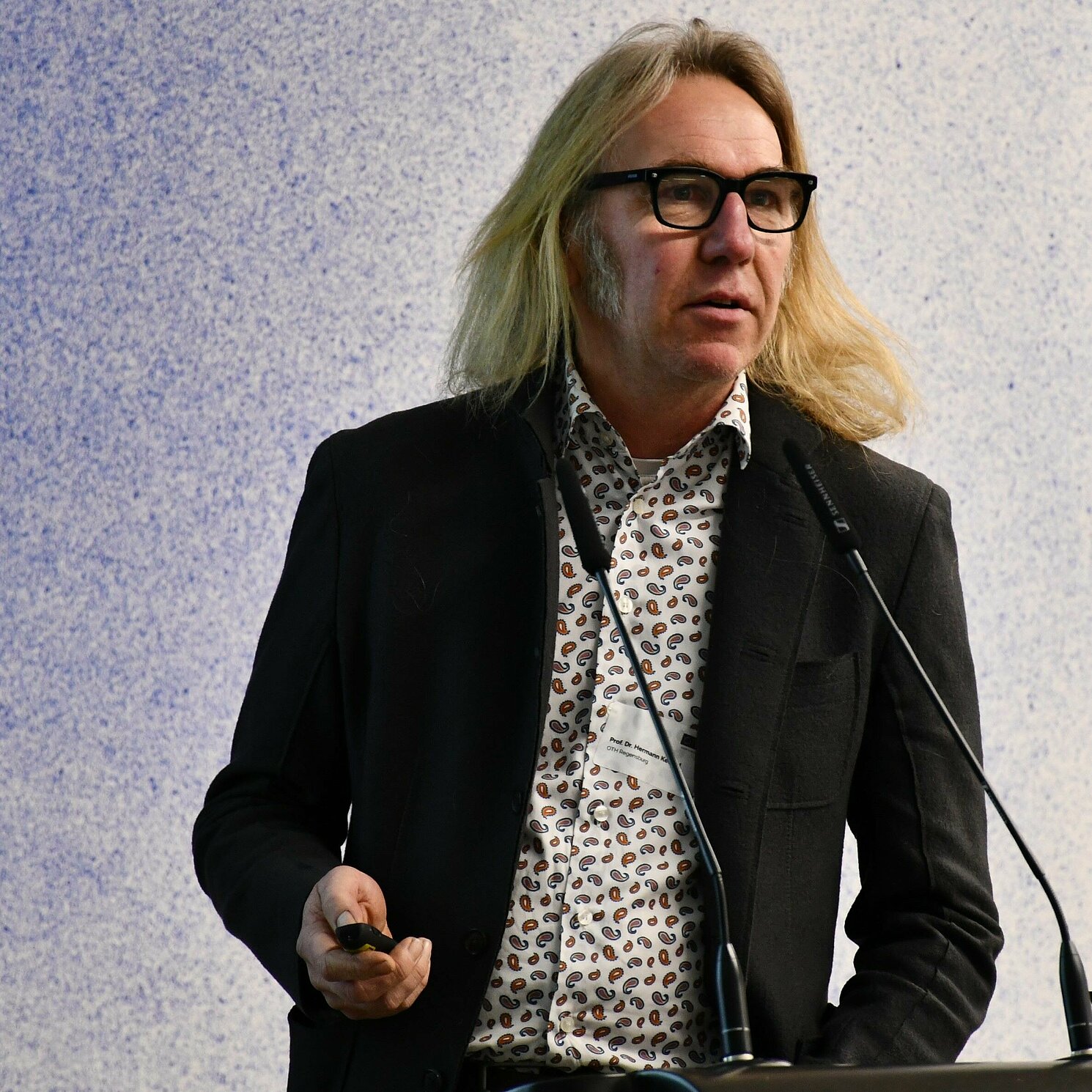
Prof. Dr. Hermann Ketterl
Phone: +49 941 943 5193
E-mail: hermann.ketterl(at)oth-regensburg.de
Office hours: by appointment via email
Programme coordinator

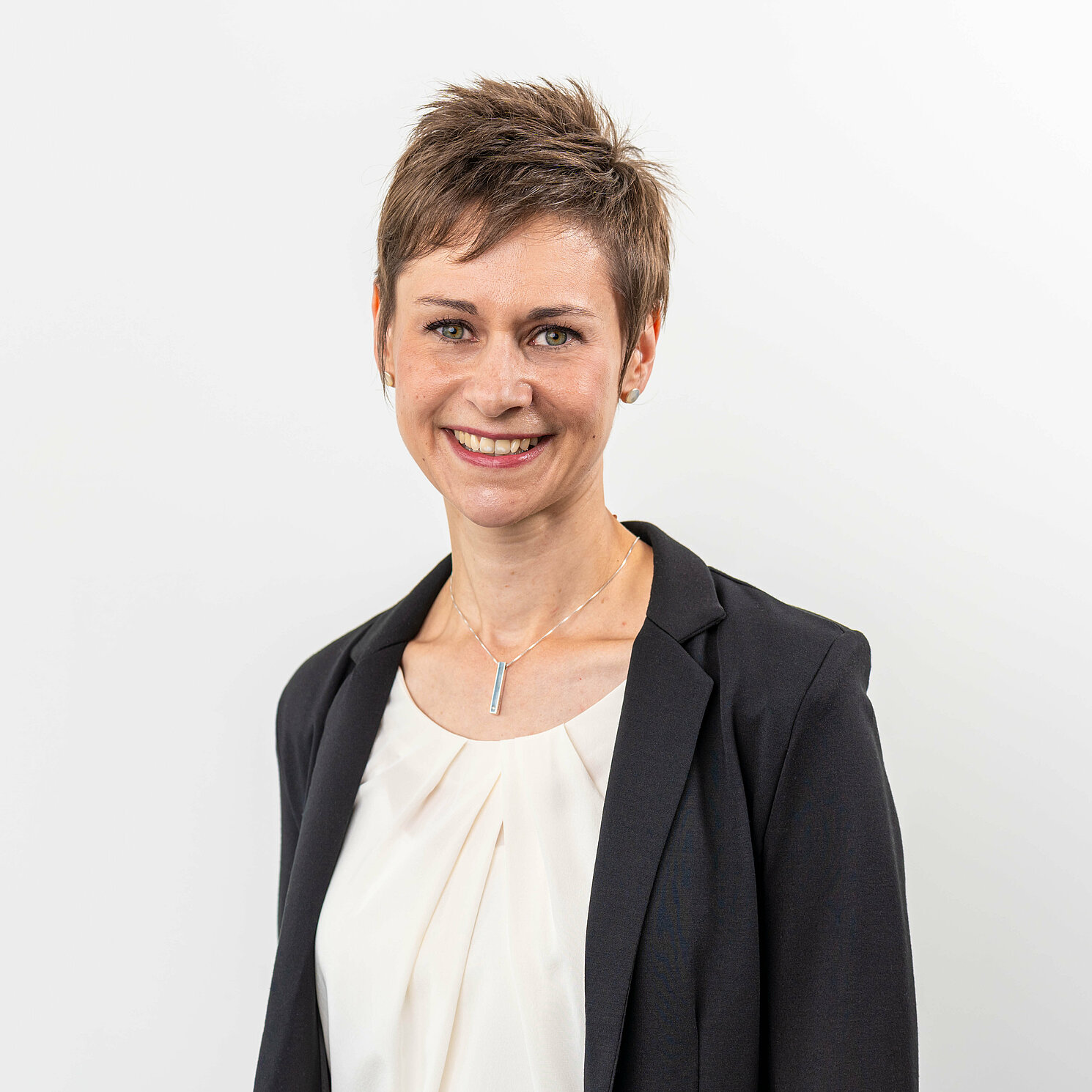
Sandra Bauer 
Phone: +49 941 943 9829
E-mail:bb-systemtechnik(at)oth-regensburg.de