What is the title of your research project?
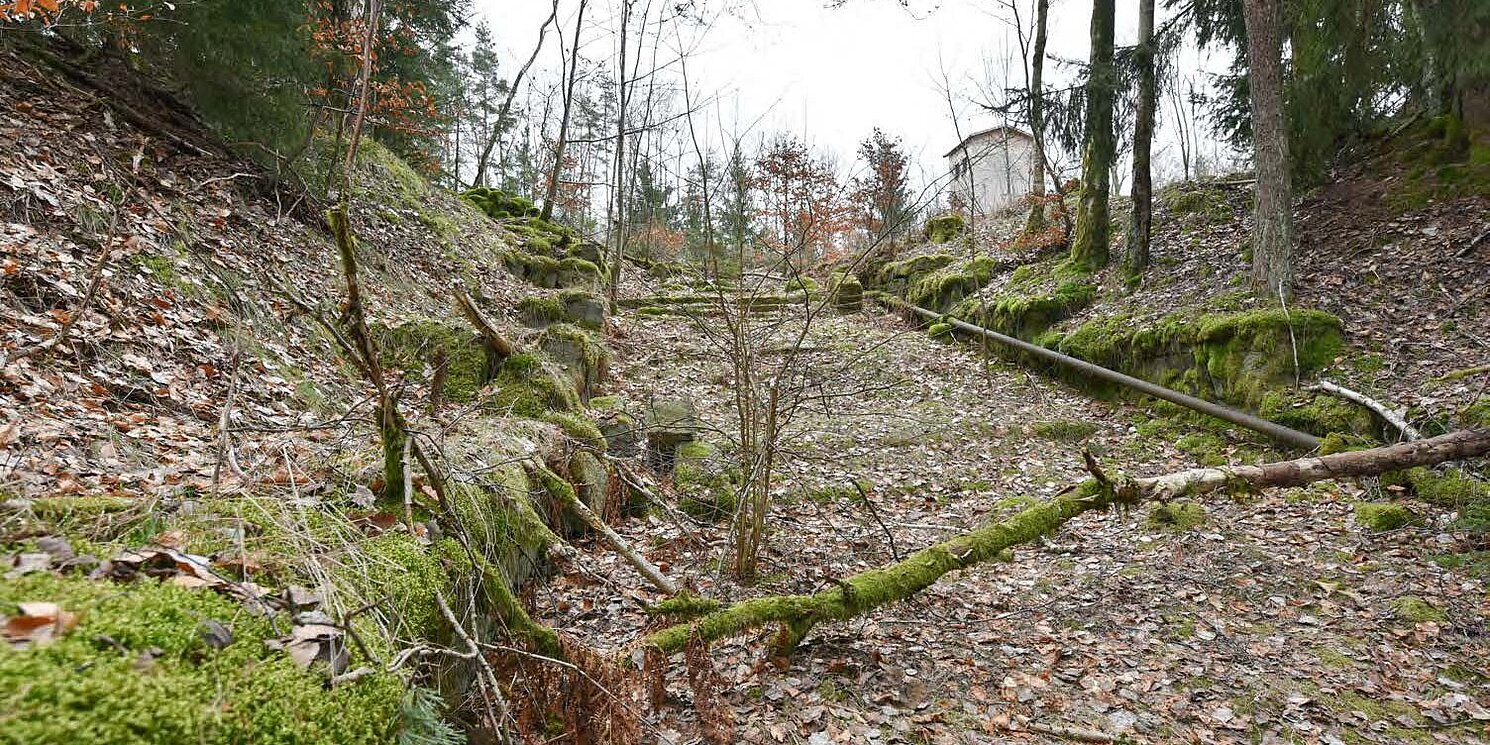
Staircases of Power. Staircases of Torment. Intended function or misuse of an architectural element?
Who is involved in the project?
Prof. Dr Elke Nagel, Dr Sophie Schlosser, Prof. Dr Andreas Emminger, Prof. Dr Lukas Meissel (University of Vienna), Dr Timo Saalmann (Flossenbürg Concentration Camp Memorial), Dr Gregor Holzinger (Mauthausen Concentration Camp Memorial), Dr Matthias Hoffmann (In Terra Veritas)
What is your research project?
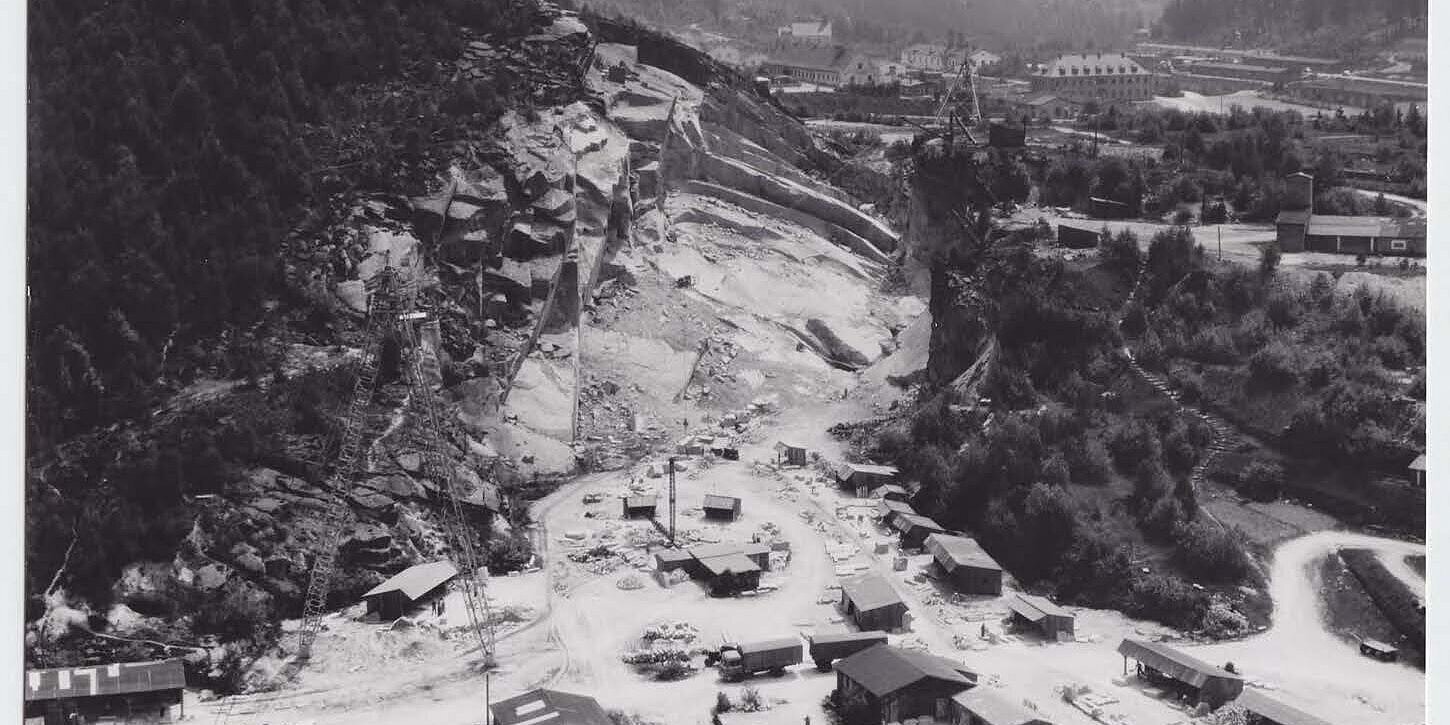
The distinctive, differentiating and selective characteristics of staircases, together with their symbolic significance, open up possibilities for manipulation on many levels: for the elevation of one group and the humiliation of another – the particularly cruel manifestation of which is evident in the Nazi concentration camps. The project’s research objective spans disciplines, ranging from architectural and structural insights derived from architectural history research to the ethical and sociological knowledge gained from historical research. The multifaceted interweaving of actions and intentions is evident in the history of changes to the camps and quarries at Flossenbürg and Mauthausen, where the construction, use and misuse of the staircases can be read as a record of increasing societal brutalisation. The aim of the research is to clarify the history of these specific staircases and their systemic context, both in relation to the systematic exploitation and extermination of people in the concentration camps and, viewed more broadly as a structural element, within the architectural mindset of the National Socialists.
What excites you about the project?
An exceptionally multi-perspective and interdisciplinary approach opens up avenues for gaining insight which, based on concrete, authentic historical objects, allow for a scaling up to the theoretical level of analysis concerning the deliberate use of the manipulative power of the architectural element – the staircase – during the Nazi era. Both aspects – that is, addressing the material-specific architectural-historical questions concerning the granite staircases in the SS quarries, and the transfer of knowledge regarding their classification within architectural history – are absolutely essential for determining an appropriate way forward. Through the academic publication of the project’s findings, the research results will raise the profile of this topic, which is of the utmost relevance both to society and to architectural history.
How can the findings from the project be applied in practice?
Through architectural research, the few physical remnants of Nazi terror are being systematically investigated and documented. Their significance – both historical and future – can only be fully understood by an interdisciplinary project team. With the involvement of at least two concentration camp memorial sites – both of which must make decisions regarding the future treatment of staircases in the main and satellite camps – the research findings will be applied in educational and museological design.
On our website, you will find an overview of the current funded projects at OTH Regensburg.