For people who suddenly find themselves unable to speak after a stroke. For children who find speaking difficult. For people who lose their voice. Communication is one of the most important prerequisites for participating in society. Speech and language therapists help people to achieve, regain or maintain this participation.
For ten years now, OTH Regensburg has been providing academic training for professionals in this field. The university will celebrate the anniversary of its Bachelor’s degree programme in Speech and Language Therapy on 22 October 2026 under the motto ‘Knowledge that makes a difference’. The focus will not only be on the programme’s ten-year history, but above all on the question of how scientific findings can improve care for people and what role digitalisation and artificial intelligence will play in this in the future.
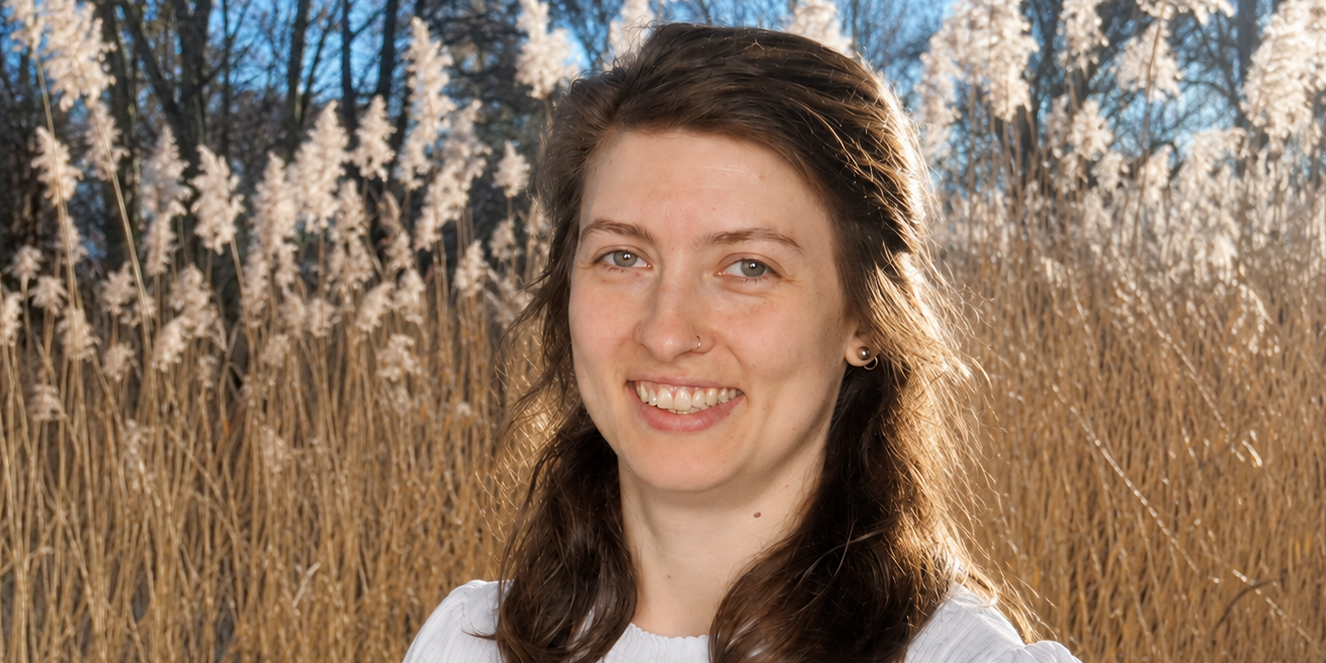
One person whose own journey is closely linked to the development of the programme is Maxine Klinck. In 2016, she was part of the first cohort of the Bachelor’s programme in Speech and Language Therapy at OTH Regensburg. Today, the 31-year-old works as a research assistant at TU Dortmund University and is pursuing a PhD.
“Back then, I was motivated above all by a curiosity to learn more and to better understand the underlying principles of my professional practice,” recalls Klinck. “At the same time, I found it exciting to be part of something new.” She says the Bachelor’s degree was an important stepping stone for her: from working as a speech and language therapist and a speech and language therapy tutor, through to a Master’s degree and on to research.
A pioneering degree programme from Regensburg
By introducing the degree programme, OTH Regensburg responded early to a shift in the nature of the profession. Today, more and more speech and language therapists are gaining an academic qualification alongside their professional training. The Regensburg degree programme was a pioneer in Bavaria and is the first speech and language therapy programme in the Free State to have its own professorship in speech and language therapy. OTH Regensburg now cooperates with seven vocational colleges, thereby enabling trainee speech and language therapists from regions outside the university’s campuses to undertake their studies.
In the cathedral city, OTH Regensburg collaborates, amongst other things, with the city’s Senior Citizens’ Office and speech and language therapy practices, for example on research projects. The university also maintains close cooperation with the Department of Phoniatrics and Paediatric Audiology at Regensburg University Hospital. Prof. Dr Kummer, a phoniatrist at the university hospital, and his team teach on the speech and language therapy degree programme every year.
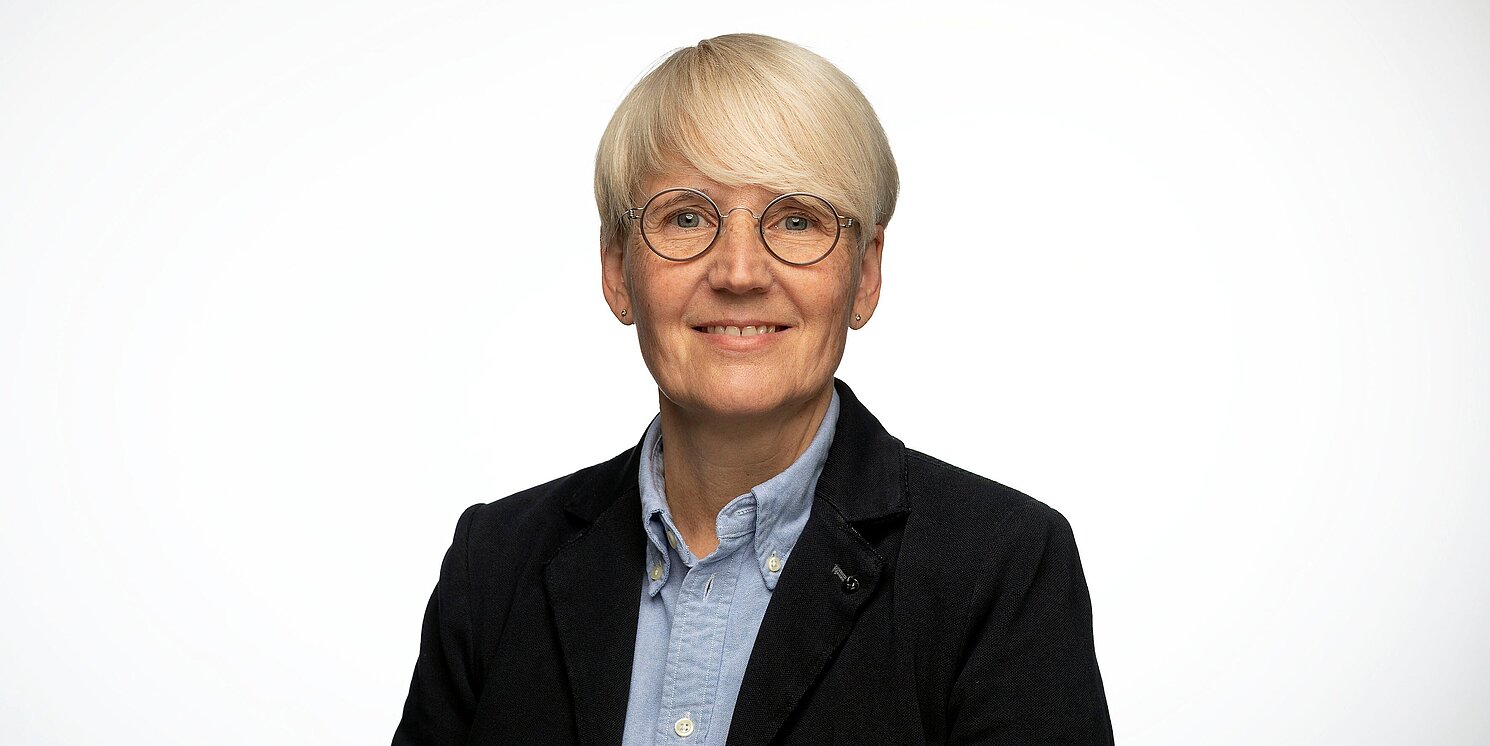
For the programme director, Prof. Dr Norina Lauer, the anniversary conveys one message above all: science should benefit people. “Knowledge can only realise its value when it reaches people,” says Lauer. “That is precisely what speech and language therapy is all about. We now have a wealth of scientific findings, for example on the effectiveness of video therapy or intensive aphasia therapy – that is, the treatment of a speech disorder. The challenge lies in consistently applying this knowledge in clinical practice.”
AI brings new possibilities, but people remain at the centre
How speech and language therapy will change in the coming years is one of the central themes of the anniversary event. Alongside demographic trends, with a rising demand for speech and language therapy, the discipline is also grappling with issues surrounding digitalisation and artificial intelligence. In future, AI-based applications could, for example, assist with speech analysis or open up new avenues of communication. At the same time, the therapeutic relationship, clinical judgement and personal contact remain indispensable.
“People must remain at the centre,” emphasises Prof. Dr Norina Lauer. “Technology can be a valuable tool. However, responsibility for therapy and treatment will continue to lie with the professionals.”
Under the motto ‘Knowledge that makes a difference’, OTH Regensburg therefore wishes not only to look back on ten successful years, but also to discuss, together with graduates, lecturers, students and industry partners to discuss the future of a profession that restores people’s voices, their language and, with it, often a measure of their quality of life.
The anniversary event “10 Years of the Bachelor’s Degree in Speech and Language Therapy at OTH Regensburg – Knowledge that makes a difference” will take place on Thursday, 22 October, from 4 pm at OTH Regensburg.