The European Commission’s ‘She Figures Index’ measures how far EU member states have progressed towards gender equality in research and innovation, for example in terms of career paths and leadership positions. Germany scores 62.8 out of 100 points, placing it joint third from bottom of the 27 EU member states, level with Malta.
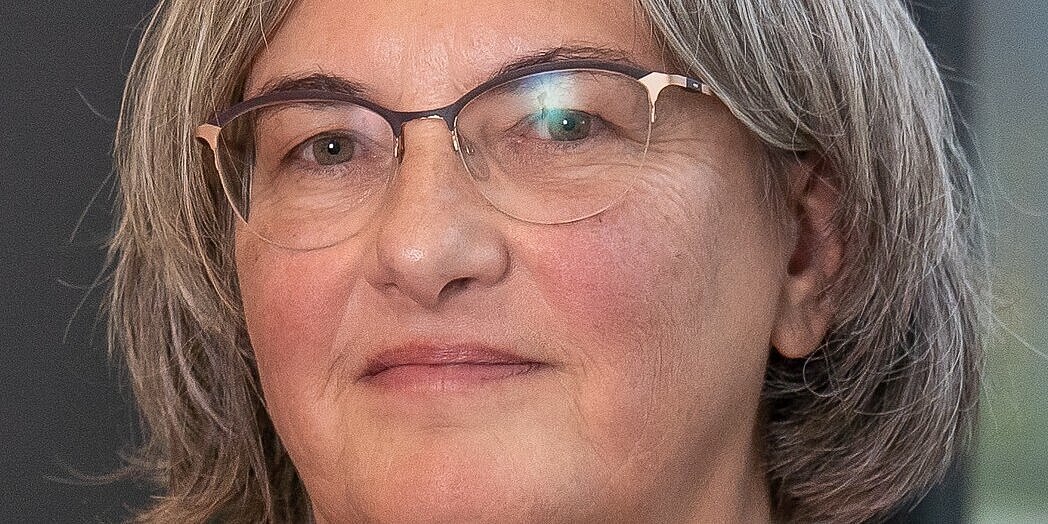
‘On closer inspection, it is by no means a given that women, for example, can choose any profession or pursue a career on the same terms as their male colleagues,’ says Prof. Dr. Clarissa Rudolph. On top of this, she says, there is active discrimination: women who move in predominantly male spaces are disparaged on account of their gender. An analysis by the European Institute for Gender Equality (EIGE) shows how widespread entrenched gender stereotypes remain: 31 per cent of men in the EU believe that men make better leaders than women. Among women, the figure is below 20 per cent.
Career conversations after hours
Structural disadvantage often goes unnoticed. Conversations that shape careers, for example, also take place after work: over dinner, at a club or in the pub. Women are rarely excluded from these on purpose. But anyone caring for young children or relatives who need care can hardly attend such gatherings – and care work still falls mainly to women.
The gap is clear in childcare alone: according to EIGE, 41 per cent of women in the EU who look after their own children under the age of twelve spend more than 35 hours a week doing so, compared with 20 per cent of men. ‘Then it’s just tough luck, as the saying goes. In the end, nothing is done to make it possible for everyone to take part in these conversations,’ says Prof. Dr. Rudolph.
The exception in their own field
Unequal treatment is particularly visible in science and technology. ‘Women have to achieve more to receive the same recognition as men,’ says Prof. Dr. Rudolph. In some STEM degree programmes, women are still significantly under-represented. In a qualitative study by OTH Regensburg, female students from male-dominated disciplines report that they often feel like the exception. Above all, they want to be seen as students of their subject – and not primarily in terms of their gender.
When asked about their own experiences of sexism, many of them initially said they had none, Prof. Dr. Rudolph reports. Only when asked specific follow-up questions did they recall numerous situations. ‘This shows that sexism often happens in passing and frequently goes unrecognised as such.’ Over time, she says, this everyday sexism wears people down.
Not more subtle, but digital as well
Has sexism at least become more subtle in recent years? ‘Sadly not. Sexism hasn’t become more subtle, just different,’ says Prof. Dr. Rudolph. Alongside analogue sexism – what is said or done to women directly – a further space has emerged: the digital one.
In the research project ‘Digital Hate’, OTH Regensburg is investigating the extent, forms and effects of gender-based digital violence against women researchers in socially contested fields such as gender, climate and migration research. There, they frequently encounter blatant sexism, ranging from open insults to threats. Men are also targeted by digital attacks, but attacks on women are more strongly sexualised.
The case of actress and presenter Collien Fernandes, which became public in March 2026, also shows how far digital forms of sexism and sexualised violence can now go. She reports fake profiles in her name and the circulation of fabricated pornographic content.
‘We are all part of sexist structures and sexist behaviour,’ says Prof. Dr. Rudolph. This also presents an opportunity: everyone can help to change these structures. OTH Regensburg, too, has embedded gender equality in its development plan. Measures include awareness-raising, fair procedures and support services for those affected.