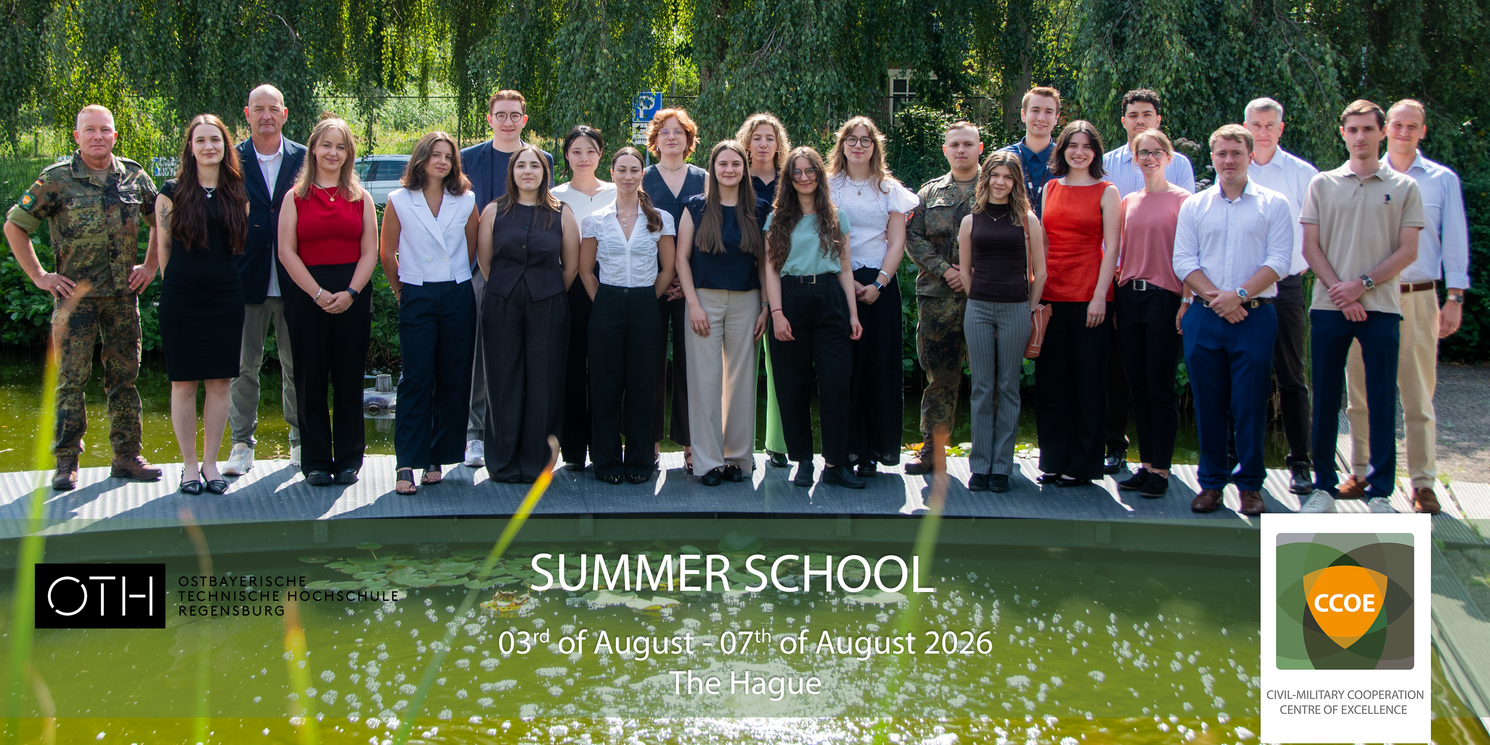
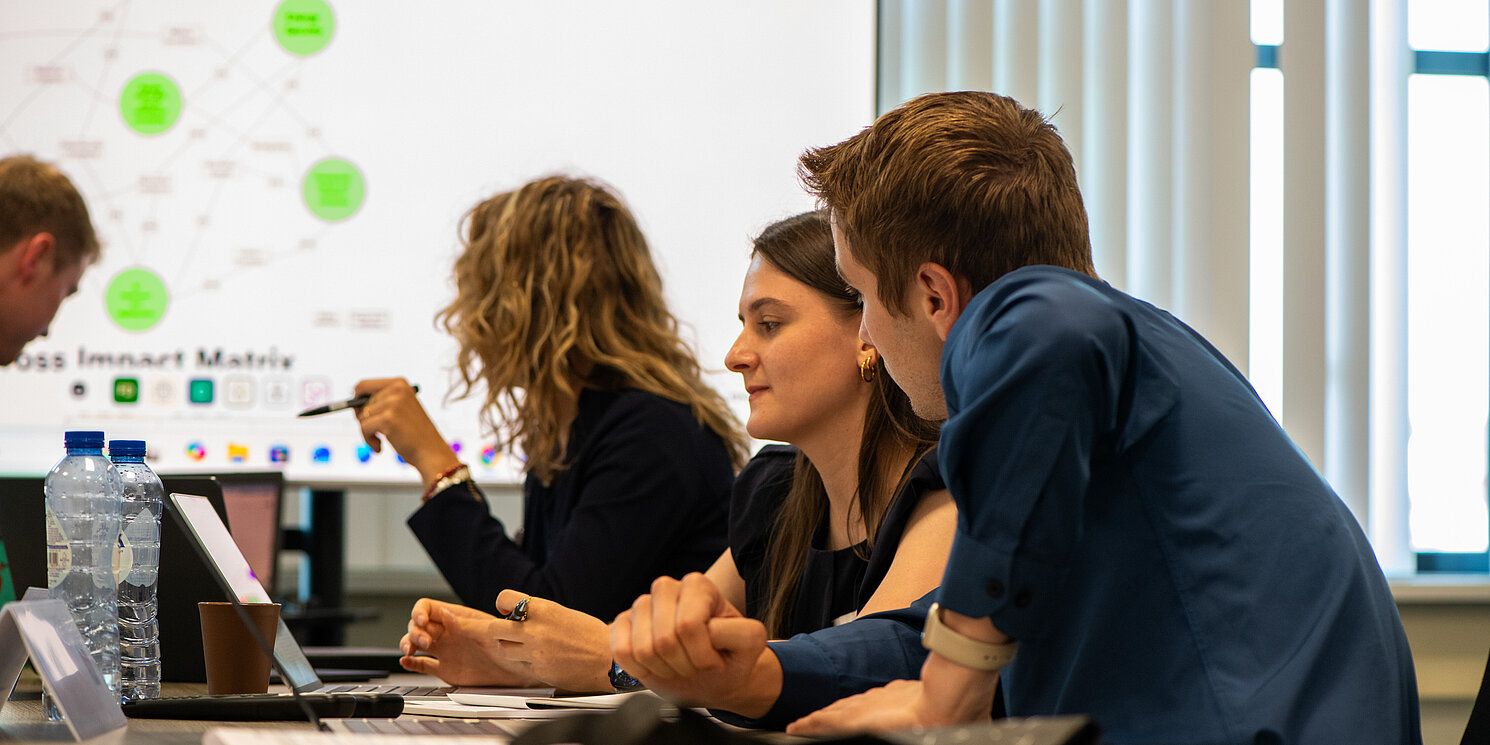
The Summer School focused on the interpretation of complex information, the critical examination of assumptions, the application of structured analytical methods and the Scenario Wizard software tool, as well as the translation of research findings into well-founded, forward-looking assessments. It is this combination of theory and practical application that makes the Summer School particularly unique.
In terms of content, the students worked in interdisciplinary teams to examine three actors and regions relevant to security policy: China’s activities in the South and East China Seas; Russia’s relations with the member states of the Shanghai Cooperation Organisation; and the involvement of the Baltic states, Finland and Norway on NATO’s northern flank.
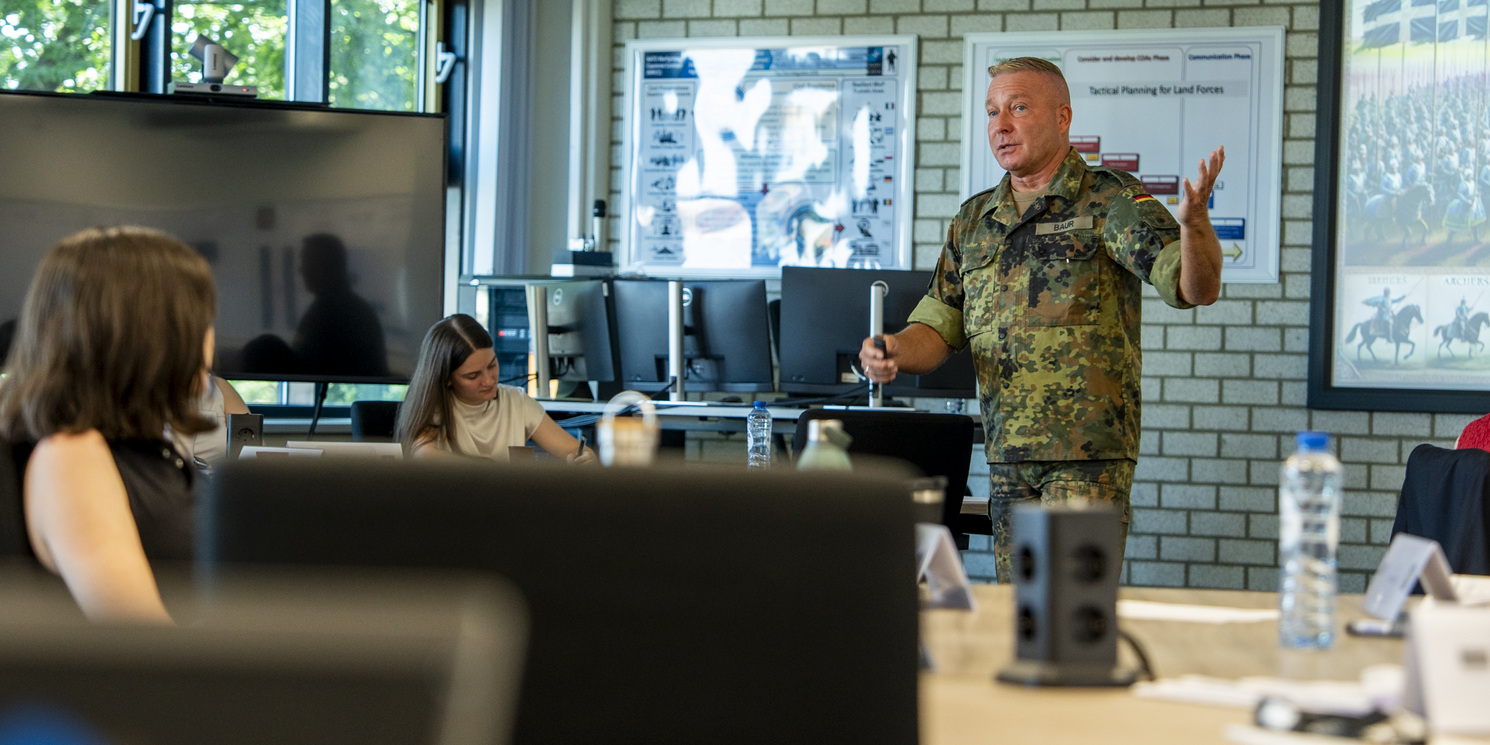
This year’s programme was supported by international experts from Prof. Bresinsky’s network, who gave lectures to the students on the following geographical focus areas:
- • Dr Hannah Kosow (University of Stuttgart)
- • Dr Trevelyan Wing (University of Cambridge)
- • Dr Neil Munro (University of Glasgow)
- • Dr Sergei Medvedev (Charles University, Prague)
These diverse regional and methodological insights enabled the students to familiarise themselves with various academic approaches to complex security issues, as well as to test and question their own assessments.
In addition to the guest lectures, the students worked closely throughout the week with experienced practitioners and mentors, who supported them in refining their analytical findings and applying analytical techniques.
The week concluded with strategic briefings, during which the teams presented their assessments of the key developments expected over the next five years in their respective security regions.
This week is the culmination of many years of groundwork by OTH Regensburg: the Summer School is the result of more than ten years of development under Prof. Dr Bresinsky, whose experience in the fields of intelligence analysis and international university cooperation has had a decisive influence on the programme. Ciara Spratt also played a key role in the preparation and delivery of this year’s Summer School, helping to bring together the programme, external partners and the student teams.
The fact that the event was once again hosted by the Centre for Civil-Military Cooperation of Excellence (CCOE) in The Hague provided an excellent setting for this exchange.
For OTH Regensburg, the Summer School is more than just a course: it creates and fosters international networks, brings in external expertise to enrich teaching, and enables students to collaborate with experienced researchers.