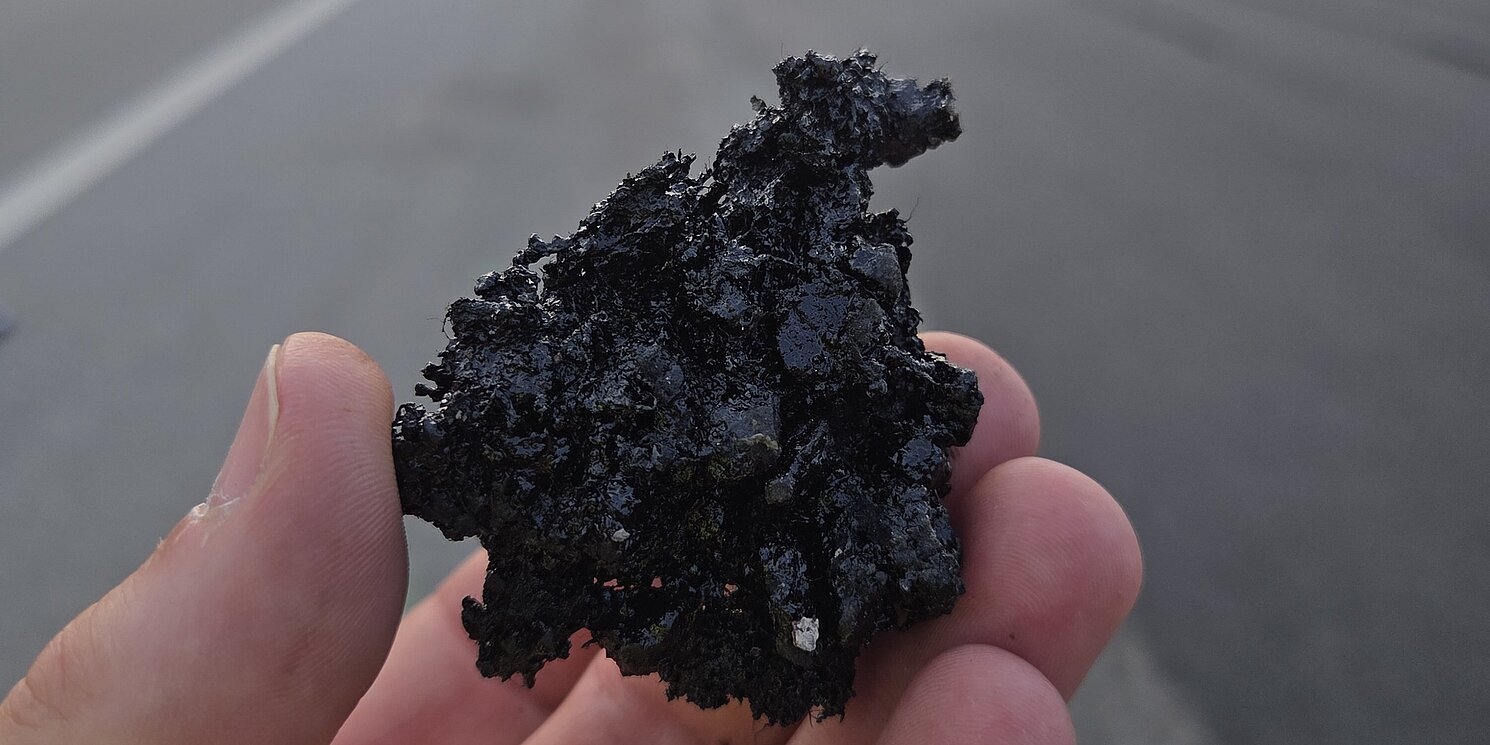
Particularly quiet motorways are usually constructed using open-pored asphalt. This is a high-tech construction method which is particularly effective at absorbing noise due to its numerous voids. These types of asphalt also offer advantages in wet weather, as they produce significantly less spray and maintain better visibility for motorists. However, the construction method is complex and prone to wear and tear: many sections need to be resurfaced after only around ten years. In the Greater Munich area, this affects sections of the A9, A99 and A96 motorways, amongst others.
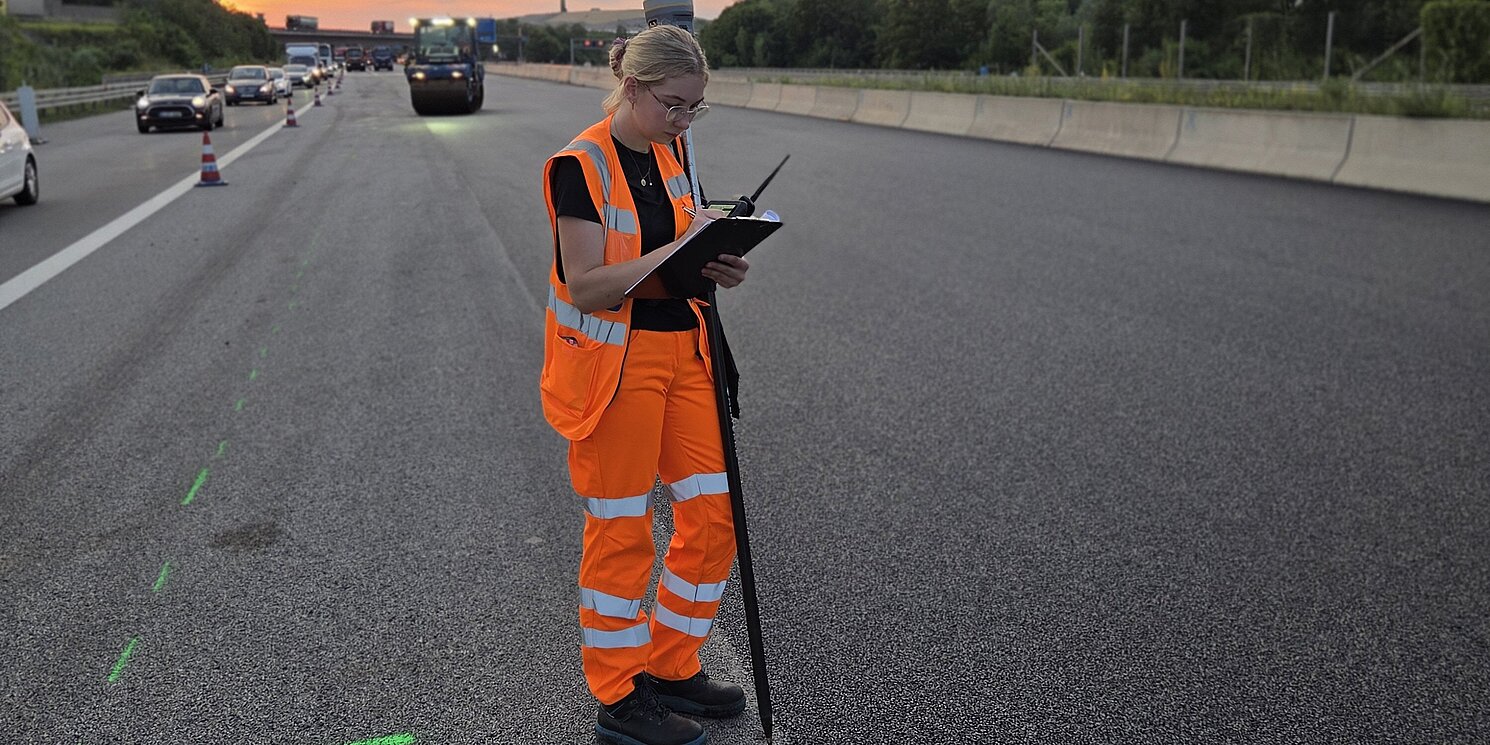
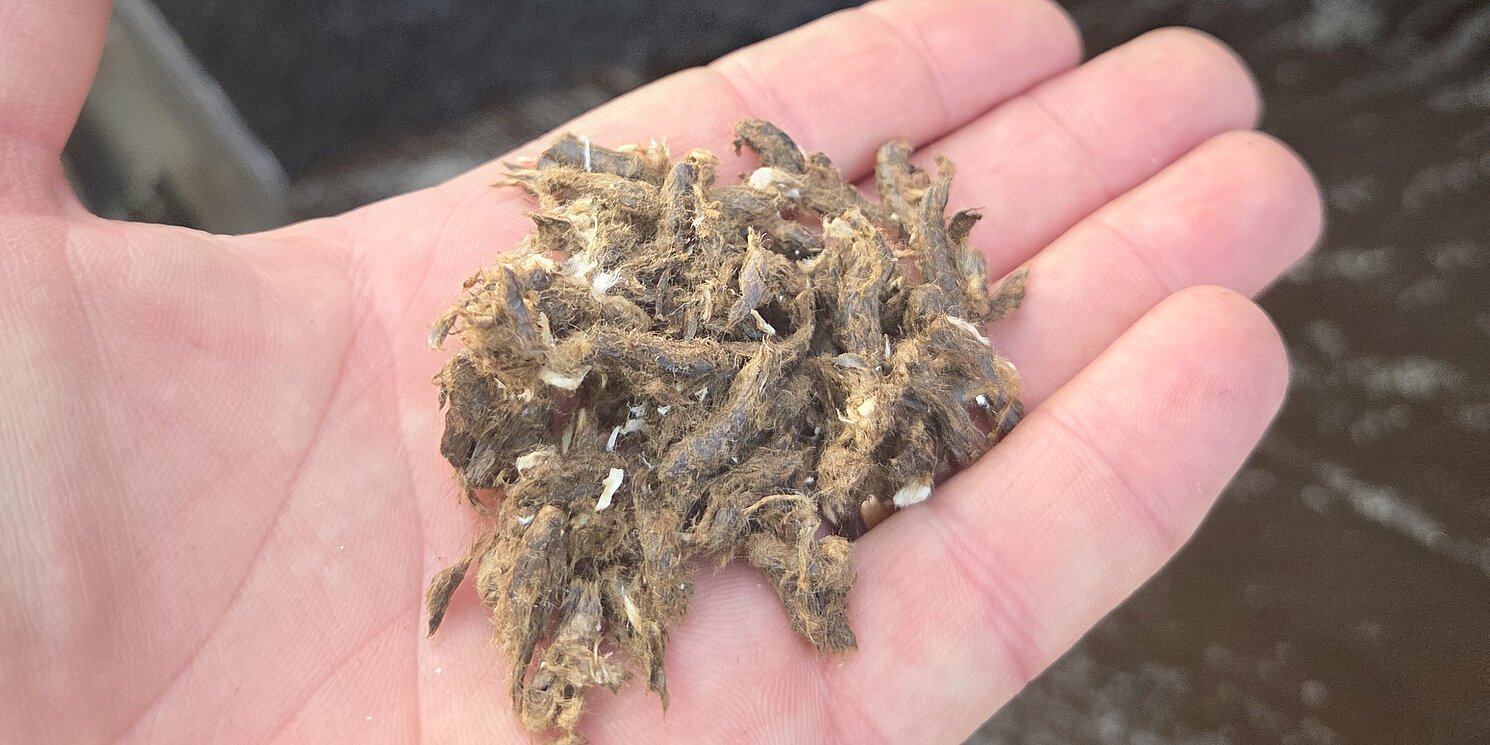
This is where the joint project between Autobahn GmbH, OTH Regensburg and the construction company Richard Schulz comes in. As part of resurfacing works on the A99, an open-pored asphalt modified with so-called acrylic fibre pellets was laid. The aim is to significantly extend the road’s service life. The test section is 280 metres long and is being scientifically monitored.
Rapid wear in open-porous asphalt: an innovation from OTH Regensburg
One of the main causes of damage to open-pored asphalt is what is known as aggregate spalling, which often occurs after just six to eight years. This is precisely where the development from Regensburg comes in: in the Laboratory for Road Construction and Asphalt Technology at OTH Regensburg, a special fibre additive has been developed in collaboration with external partners, designed to improve the stability of the material.
The research is based on several student projects. Students at OTH Regensburg, along with a dual-study student from Autobahn GmbH, have systematically optimised fibre length and fibre quantity. At the same time, a process was developed that allows the fibres, in the form of pellets, to be metered reliably and uniformly.
“The high-quality fibres, which are normally used in the textile industry, have demonstrated advantages in terms of cold behaviour and durability in laboratory tests when used in asphalt surface courses,” says Prof. Andreas Appelt, Head of the Laboratory for Road Construction and Asphalt Technology. Their use has been extensively tested in both open-pored asphalts and standard surface courses.
Test section on the A99 at the centre of research
With the laying of the modified asphalt on the A99, practical testing under real-world conditions is now underway. No problems arose either during production at the mixing plant or during the laying of the modified asphalt. However, it will only become clear in the coming years whether the hoped-for longer service life is actually achieved.
One advantage of the current project is that the test section was constructed alongside a section built using conventional methods. This allows for a direct comparison.
OTH Regensburg will closely monitor the development of the section, regularly collecting and analysing data. “If the use of acrylic fibre modification proves successful and a significantly longer service life can be achieved, this would make a significant contribution to the more effective maintenance of our road infrastructure, which is in urgent need of refurbishment, particularly on our heavily used routes,” said Prof. Andreas Appelt.
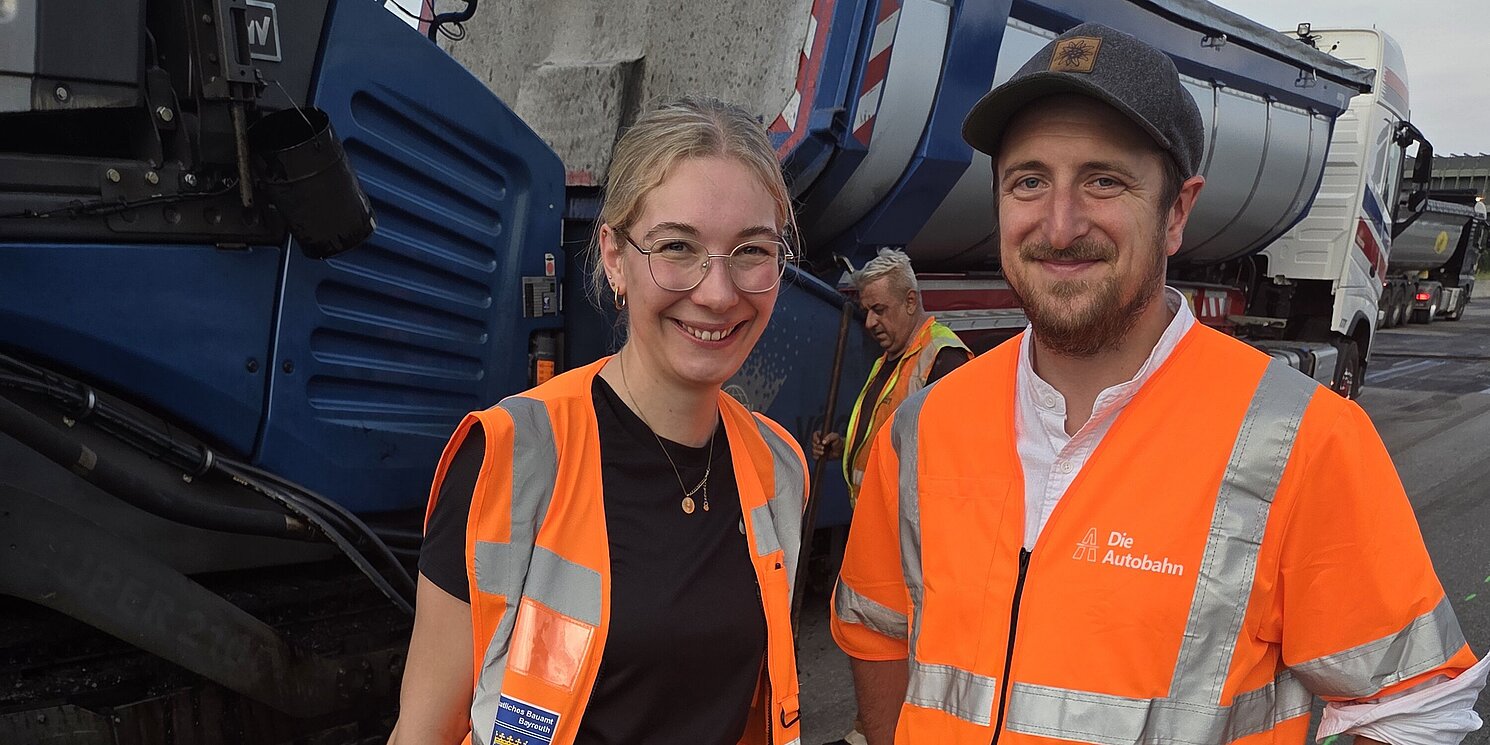
During a site visit, Prof. Andreas Appelt thanked the relevant project manager at Autobahn GmbH, Andreas Hauser, and representatives of the construction company Richard Schulz for their smooth cooperation.