Bachelor of Arts (B.A.)

Study social work part-time

Do you already have a vocational qualification in the field of social work? Would you like to unlock the door to new professional development opportunities and continue your education to become a social worker (B.A.)? Study social work part-time!

Request info material

Content

What is the (part-time) Social Work degree programme about (BS)?

State-recognised social education worker (B.A.) – you will have the right to use this professional title if you successfully complete the part-time Bachelor's in Social Work at the OTH Regensburg. The programme qualifies you for many areas of professional practice and offers two advantages: As a part-time Bachelor's programme, it enables you to obtain an undergraduate degree while still working and even without the standard university entrance qualification (Abitur). Our students appreciate the fact that they can easily plan their time and combine their studies, career and family life.

The course content offers students a broad foundation: the academic content includes the fundamentals of educational and social sciences, social work, law, health and human sciences. At the same time, students develop social and methodological skills and the ability to identify complex social problems, develop solution strategies and implement them. Through virtual teaching, students also acquire IT and media competence.


PARTICULARITIES

Strengths of the degree programme

Staatliche Anerkennung

Der Studiengang qualifiziert Sie zur staatlich anerkannten Sozialpädagogin bzw. zum staatlich anerkannten Sozialpädaogen. Dies ermöglicht neben vielfältigen sozialen Berufszweigen auch eine Tätigkeit in Behörten, Ämtern und Beratungsstellen. Die staatliche Anerkennung wird zusammen mit dem Abschlusszeugnis (Bachelor of Arts) verliehen. 

Use the new media | Virtual study

The programme utilises video conferencing systems, learning platforms, forums, virtual working groups and other virtual teaching settings to increase students' flexibility and save resources. More information on the different forms of teaching and learning can be found in the short film by the Teaching and Didactics Service Centre.

Close to professional practice

The programme places great value on relevance to professional practice. As our students already have professional experience, teaching builds on their existing knowledge. In addition, project work in cooperation with social and educational institutions occurs regularly throughout the course.


Career opportunities

What are my career prospects as a state-recognised social worker?

On completing your Bachelor's degree, you also acquire the professional title of "state-recognised social worker". Information on the various options open to you after graduation is summarised here:

  • After graduation, you can work in the following fields:

    • Child and youth welfare/state youth welfare office
    • Youth social work at schools/school social work
    • Occupational social work
    • Social work in a migration context
    • Health care
    • Resocialisation/support for at-risk persons
    • Disability support services
    • Social work with the elderly
    • Adult/further education
    • Drug and addiction support services
    • Counselling and prevention
    • Social/youth welfare planning

  • The Bachelor programme qualifies graduates for a related Master's degree.


Structure and modules

How is the degree programme structured?

This is a part-time course designed to be completed in eleven semesters (a reduction to nine semesters is possible through credit transfer). In-person lectures take place in one "block week" and approx. five weekend dates per semester (Friday afternoon and all day Saturday).

    • Basics of Educational Sciences
    • Basics of Sociology and Politics
    • Basics of Psychology and Medicine
    • Basics of Cultural and Media Education
    • Internship 

    • Introduction to Working in an Academic Context
    • Sociological and Political Accentuation
    • Methods in Social Work
    • Theoretical Basics of Social Work
    • Psychological and Medical Accentuation
    • Research and Development
    • Social and Personnel Management
    • Law
    • Socio-spatial Social Work
    • Inclusive Social Work 

    • Practice Transfer and Supplemental Seminar
    • Theoretical Approaches to Social Work
    • Child and Youth Care
    • Social Work with Various Age Groups
    • Migration-sensitive Social Work
    • Society and Migration
    • Gender and Diversity
    • Culture, Aesthetics, Media
    • Bachelor Thesis with Seminar

Studies and organisational matters

So that everything runs smoothly

How is the degree structured? When do lectures take place? What else do I need to know about the part-time Social Work degree? You can find answers to these and other questions here.

  • The degree programme is accredited and bears the seal of the Accreditation Council.


  • There are various entry routes, even without an Abitur:

    • You can provide proof of a higher education entrance qualification (entrance qualification for universities of applied sciences, general higher education entrance qualification or have a general higher education entrance qualification through a master craftsman or other advanced vocational training qualification such as a business administrator). In addition, you can provide evidence of at least two years of relevant professional practice in the field of social work or a related field or
    • You have a subject-specific university entrance qualification for professionally qualified persons through at least two years of relevant vocational training followed by at least three years of full-time professional practice (in a field related to the desired course of study), combined with a one-year trial course. 

    The examination board is responsible for determining the subject-relatedness or relevance. A prerequisite for enrolment in the degree program is proof of a completed counselling interview.

    • You have completed training as an educator, curative educator, curative education worker or curative education teacher. educator, curative education nurse or curative educator. It is possible to shorten the study period from 11 to 9 semesters.
    • You have completed training in occupational therapy or speech therapy. In this case, credits from the first two semesters may also be recognized upon request. The examination board is responsible for determining whether credits can be transferred. 


Benefit from our combined expertise

Lecturers

Our lecturers have many years of professional experience and numerous contacts in industry. Thanks to small semester groups, they can work closely with their students and guarantee intensive support.

Inform and apply

The first step towards the future

Inform and apply

Tuition fees


your contact persons

Contact

Programme director

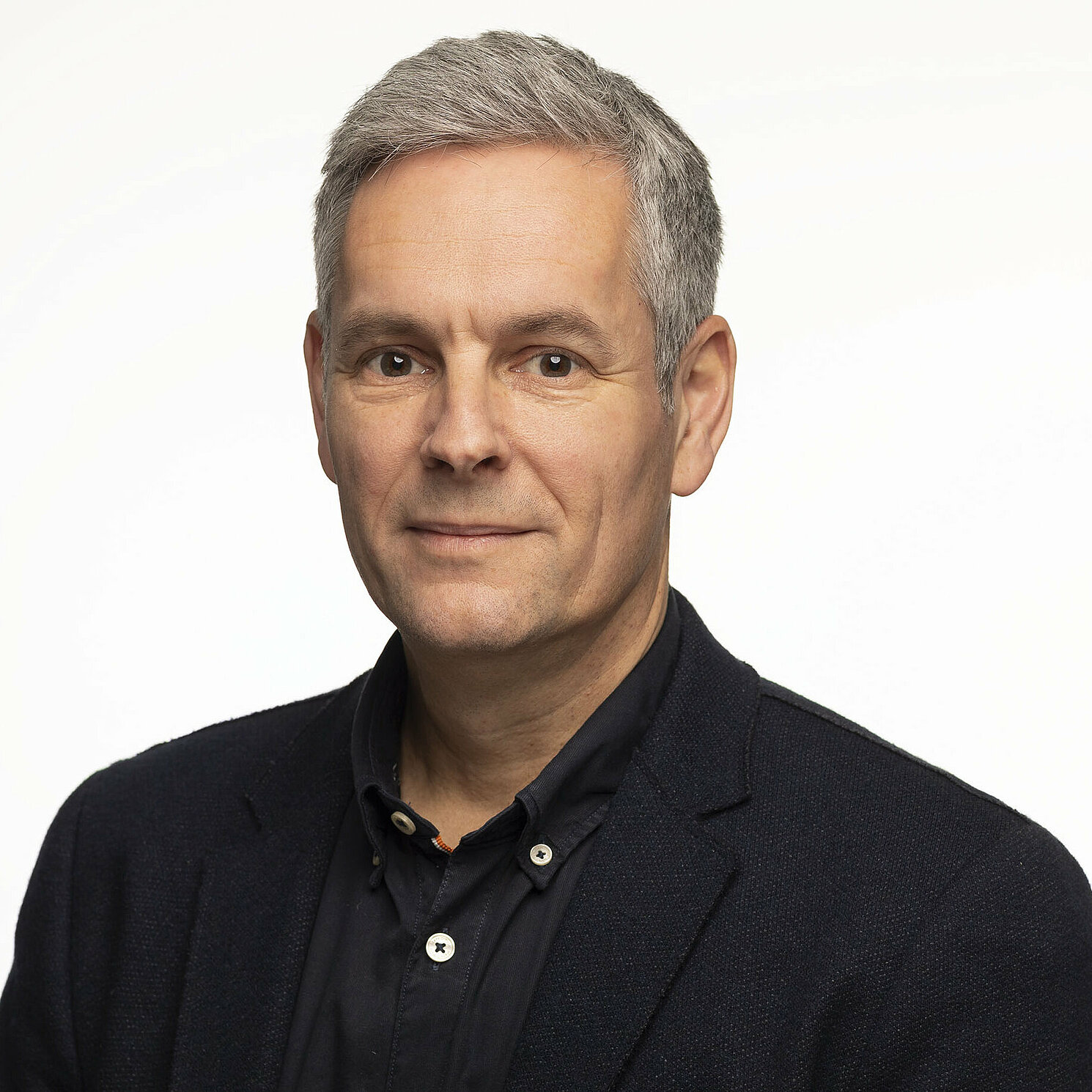
Prof. Dr. Nicolas Schöpf
Phone: +49 941 943 9320
E-mail:nicolas.schoepf(at)oth-regensburg.de
Office hours: Thursday, 14:00 pm–15:00 pm (appointments by e-mail) and by appointment; during the semster break: by appointment only
Programme coordinator

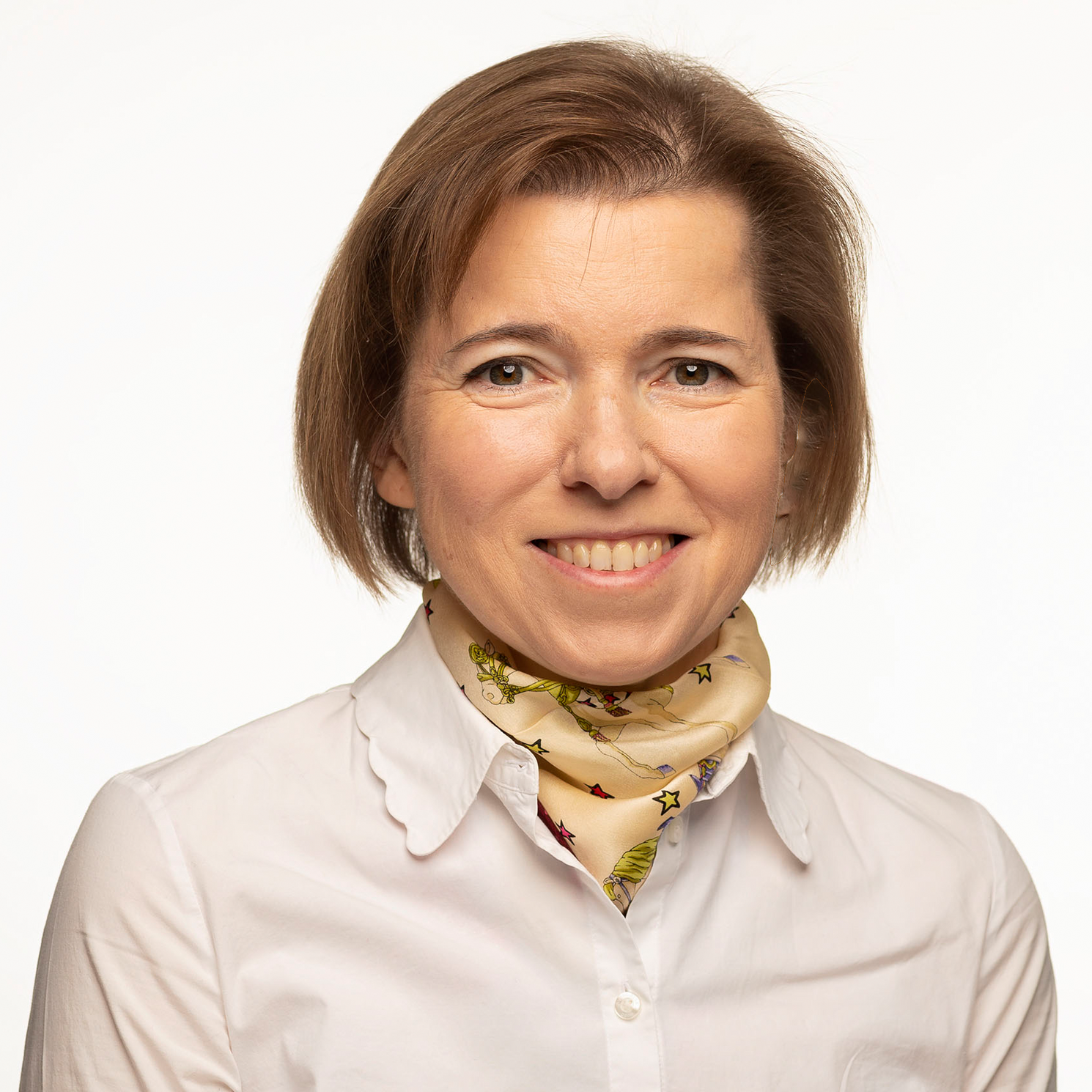
Jana Faerber
Phone: +49 941 943 9280
E-mail: jana.faerber(at)oth-regensburg.de
Programme coordinator

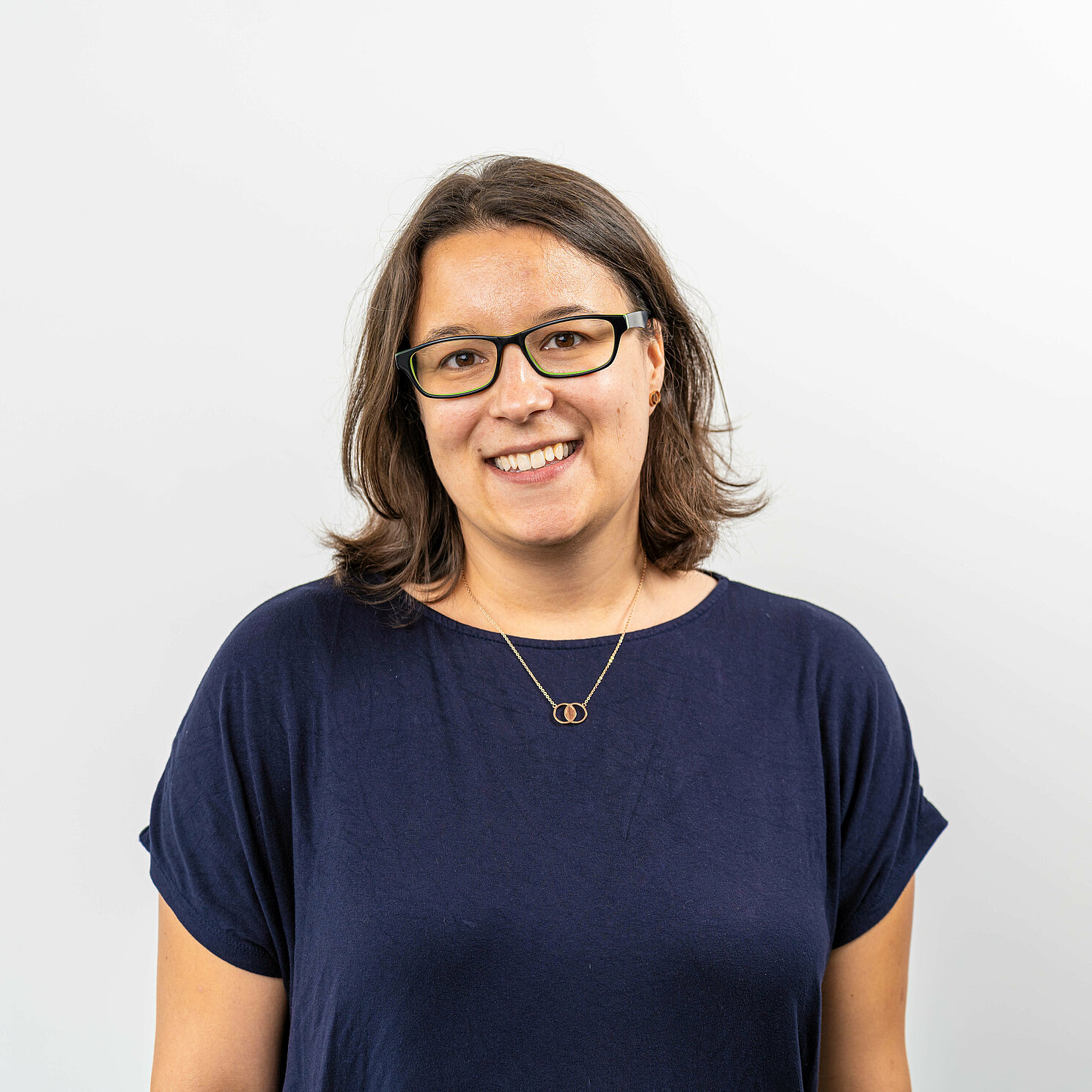
Kathrin Söldner
Phone: +49 941 943 9221
E-mail: bb-sozialearbeit(at)oth-regensburg.de