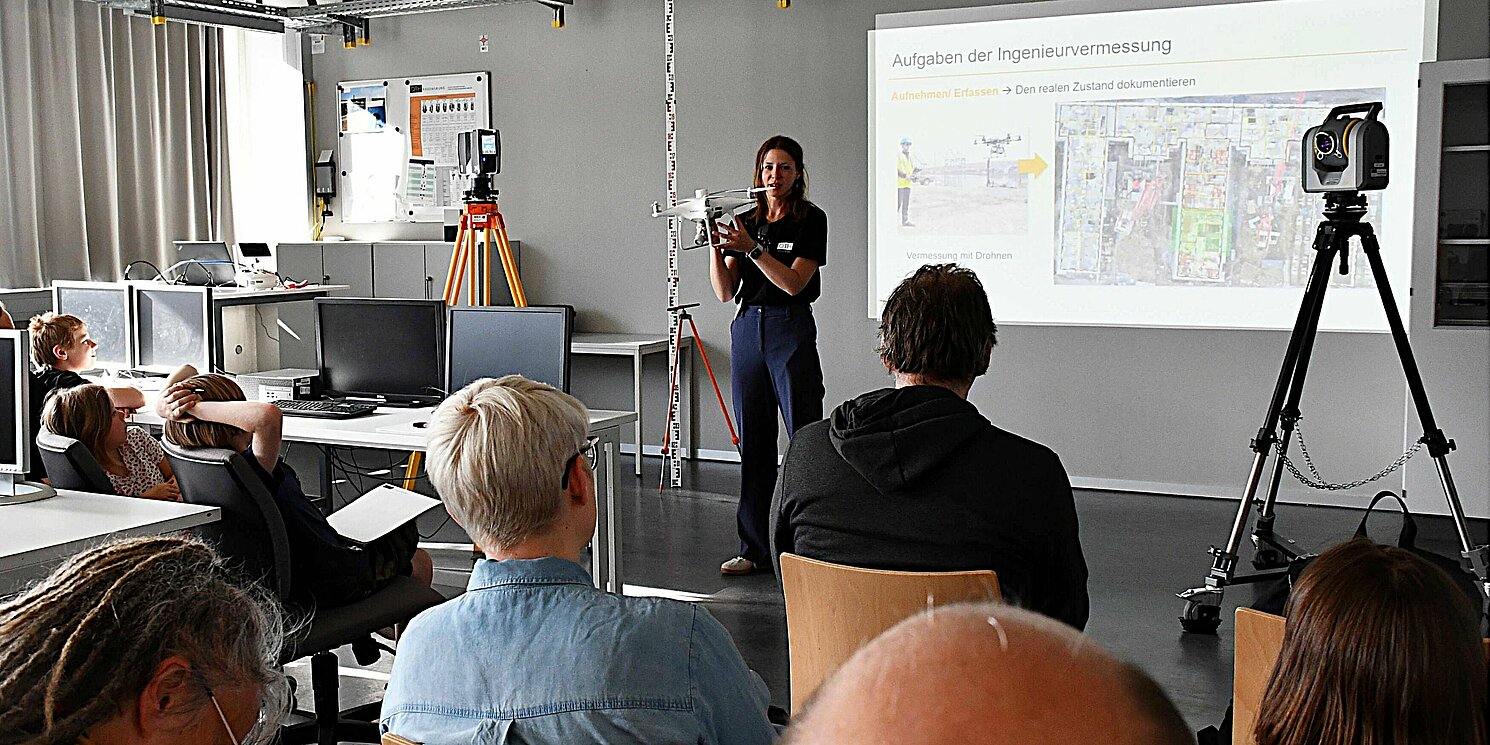
Scanning children isn’t actually part of her usual remit, but at NACHT.SCHAFFT.WISSEN., Prof. Dr Theresa Knoblach used a 3D laser scanner – for once – not to create a model of a tunnel or a wall, but of the visitors themselves. Using a tachymeter, millions of measurement points are recorded, from which software generates highly detailed digital images. Prof. Knoblach and her team use this to create digital twins or detailed environments for autonomous driving.
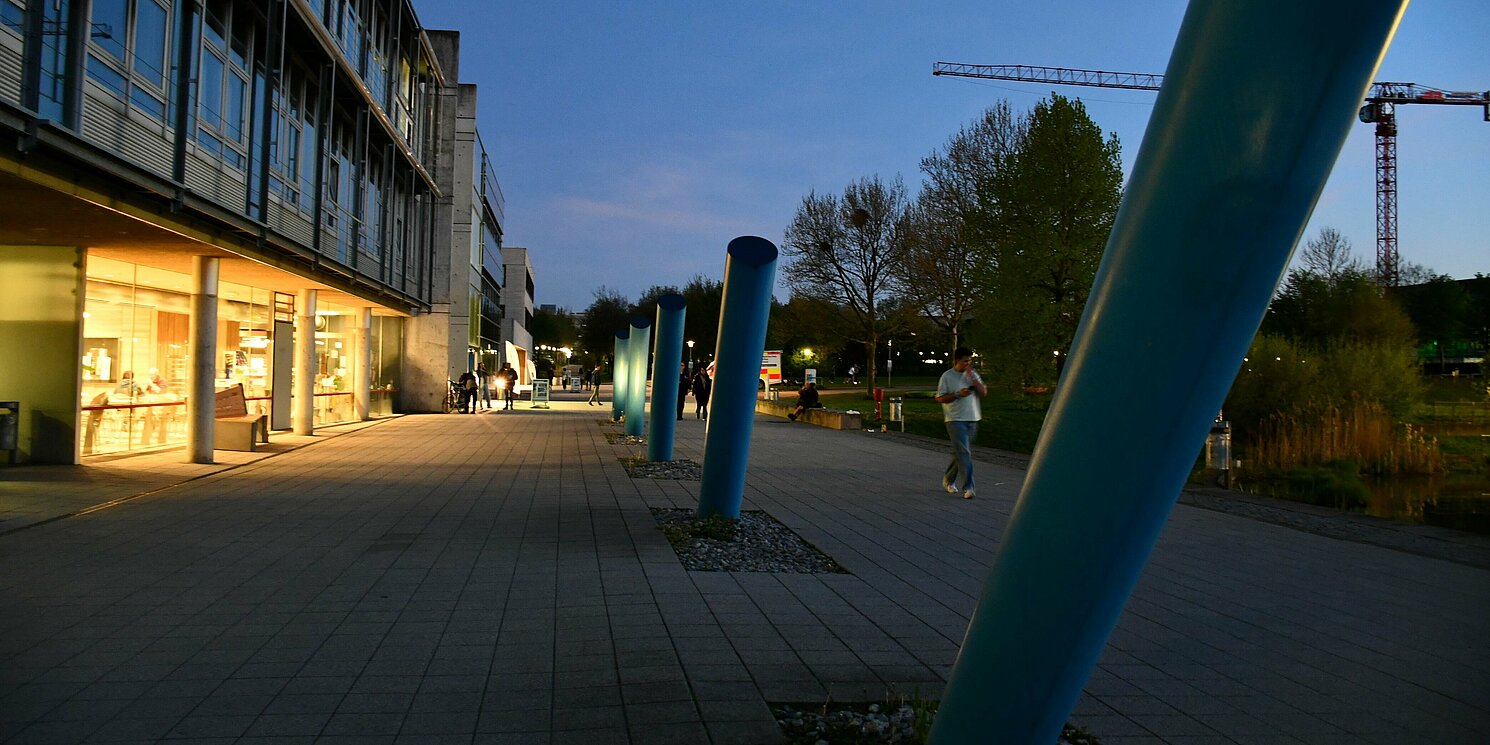
From 5 pm to 11 pm on Friday, 24 April 2026, OTH Regensburg presented hands-on, interactive science. With more than 60 individual activities to choose from, it was not an easy decision. Hundreds of visitors flocked to the information stands to find out about the range of courses on offer, learn more about the university’s sustainability initiatives, or discuss research with experts.
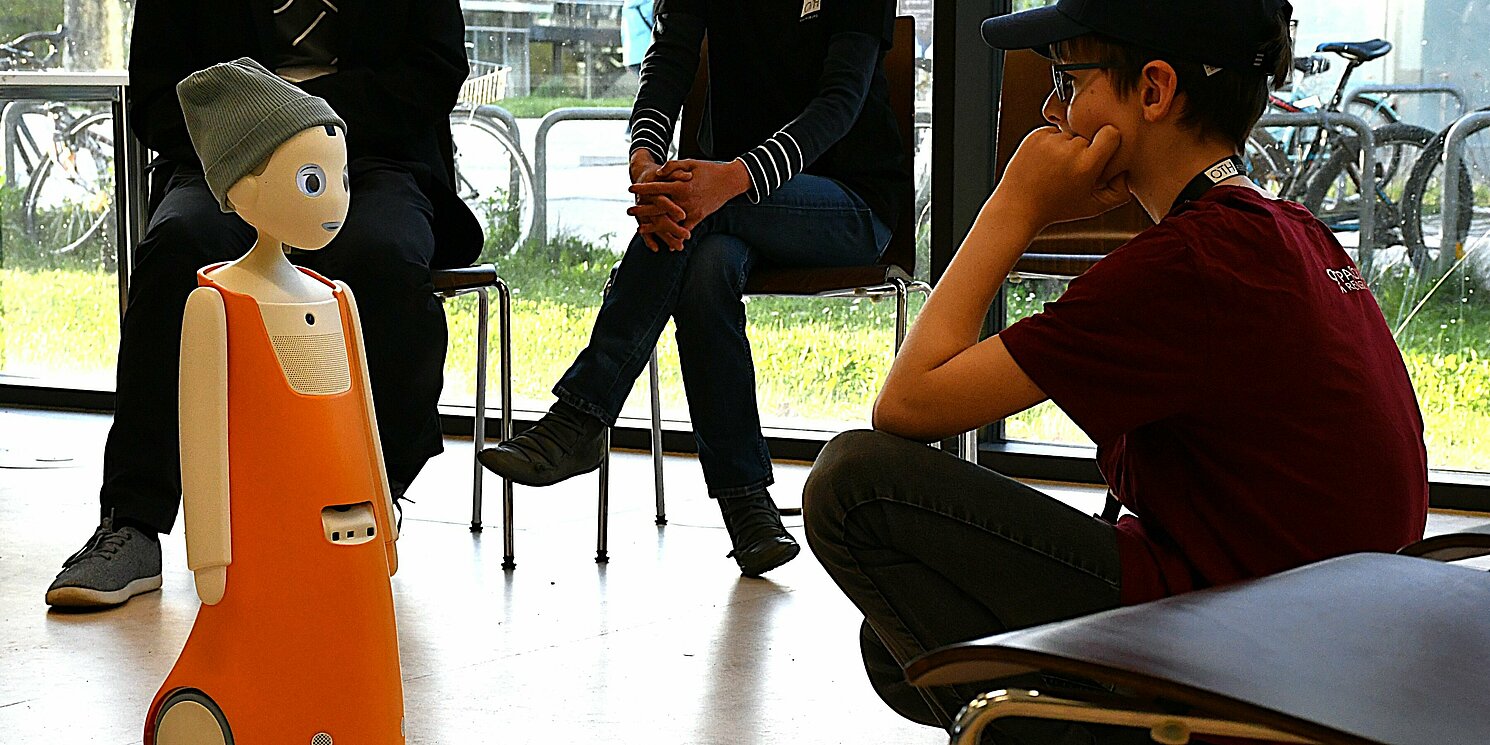
A conversation with the robot Navel
Right from the start, it became clear just how closely the future and the present are intertwined at OTH Regensburg: visitor Florian struck up a conversation with ‘Navel’ – a seemingly ordinary exchange, were it not for the fact that his conversation partner was a robot. Navel responded to questions, held conversations and impressively demonstrated just how far human-machine interaction has come. Many guests took the opportunity to try communicating with the robot themselves and discovered just how natural interaction with artificial intelligence can already be.
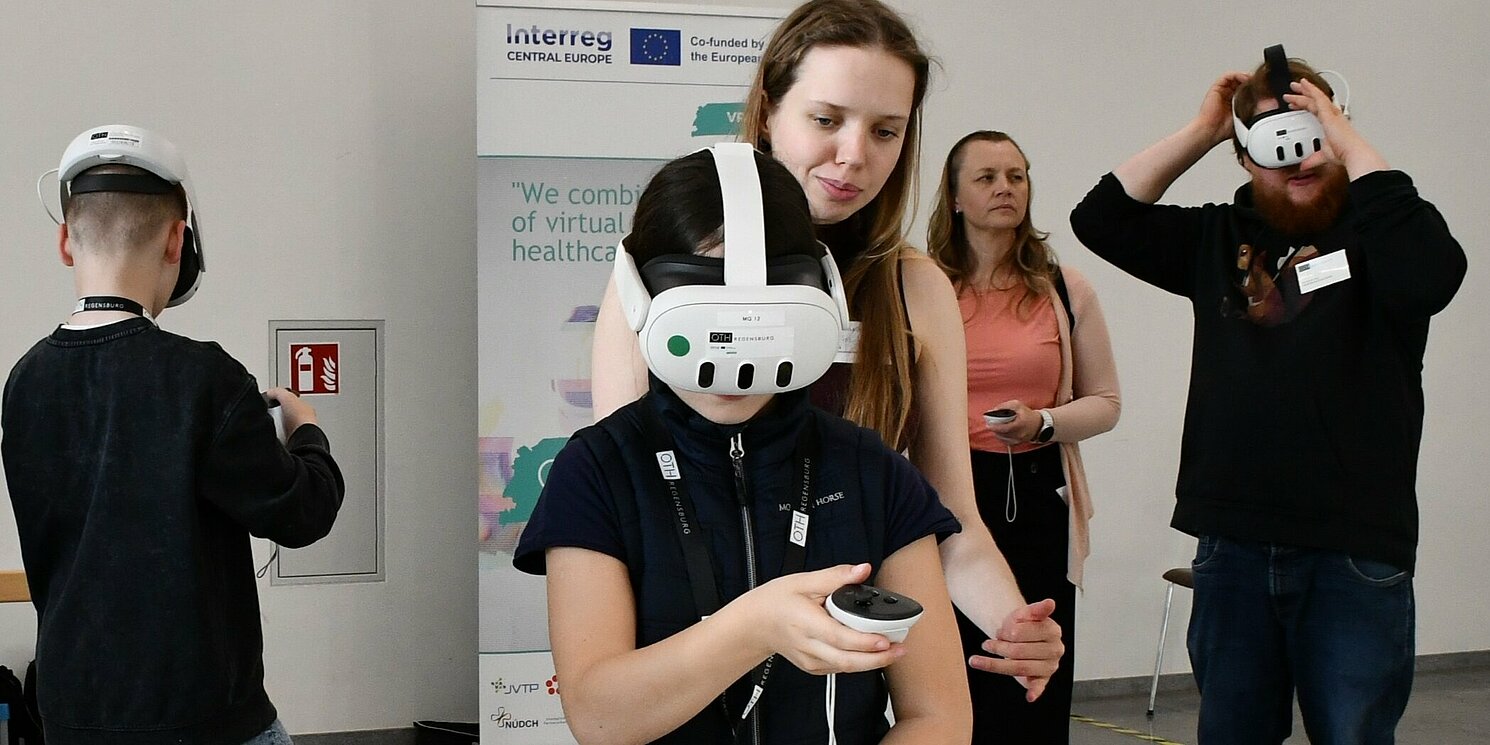
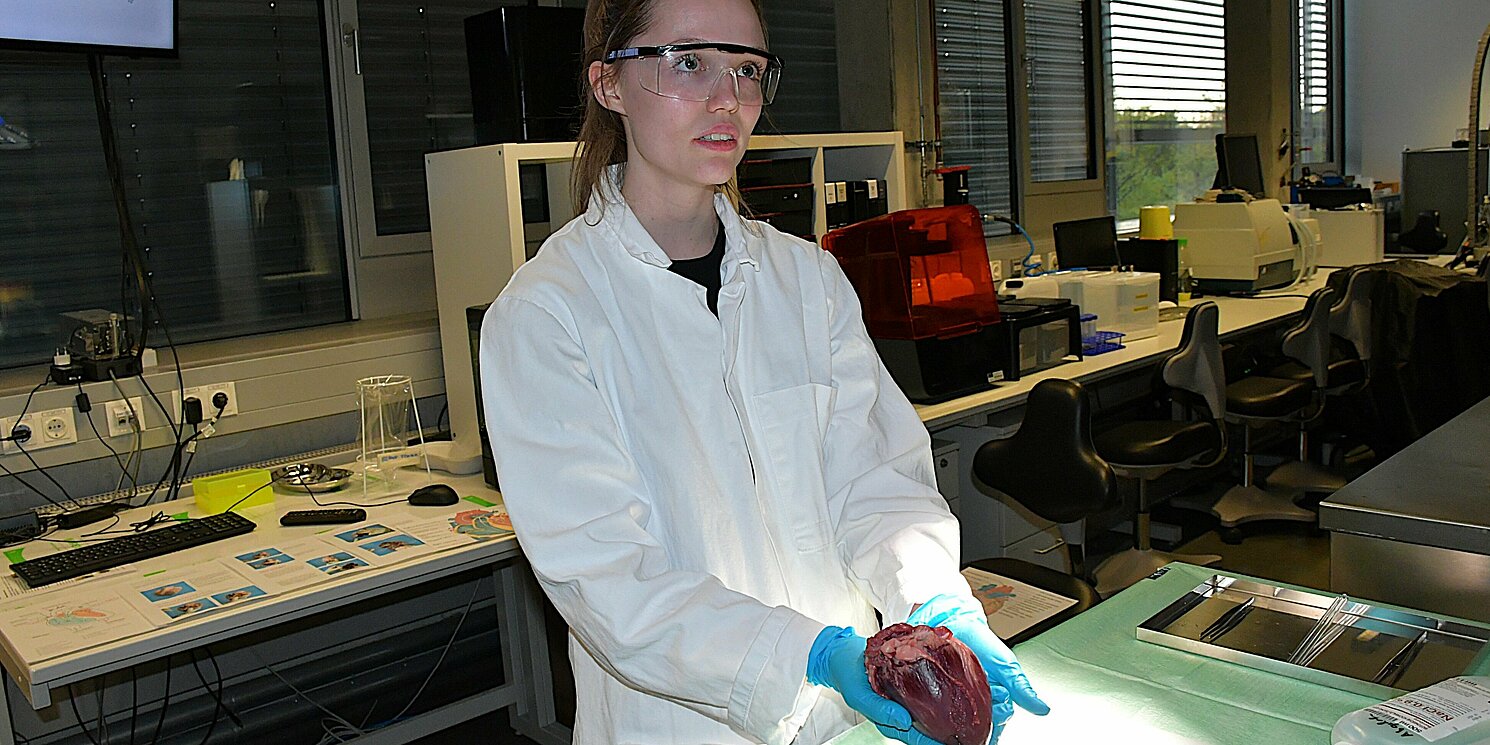
In the Biofluid Mechanics Laboratory, Prof. Dr Lars Krenkel vividly explained flow phenomena in the human body, ranging from blood flow in artificial lungs to respiratory tract flows. A real pig’s heart served as a striking exhibit and attracted many curious visitors. Interactive activities were also in high demand. In the eye-tracking laboratory, visitors were able to see how eye movements are analysed, whilst virtual reality applications offered new perspectives on their own bodies. Younger guests in particular enjoyed the soldering activity and proudly took their self-made creations home with them.
From eye-tracking to 3D-printed toilets
As well as technical insights, health also played an important role: anyone looking to protect themselves against osteoporosis was in exactly the right place at Prof. Dr Sebastian Dendorfer’s Biomechanics Laboratory. There, a clear demonstration was given of how prevention can work: an app records every jump, and around 200 targeted exercises help to strengthen bone health. Visitors were able to try out the exercises for themselves and gained insights into current research approaches.
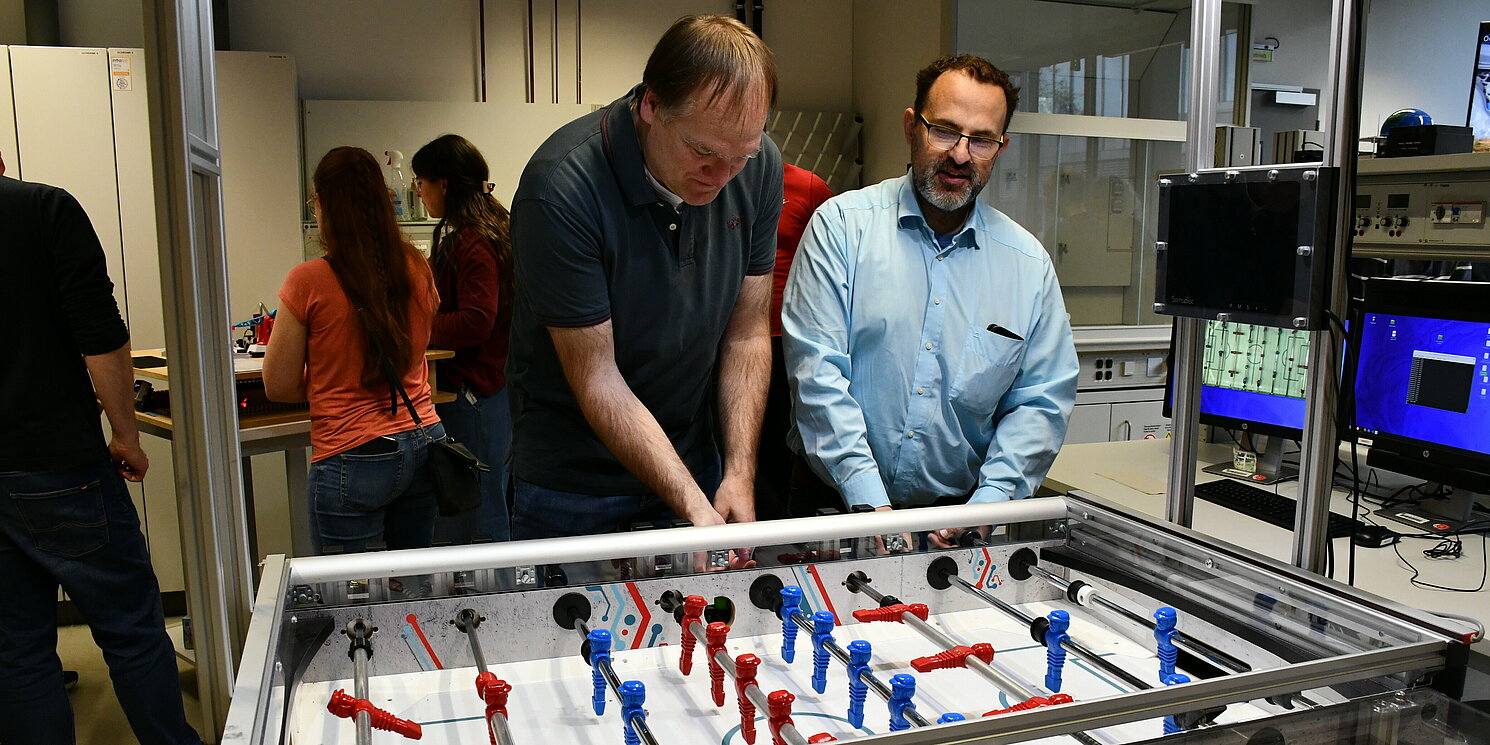
The Laboratory for Sensor Systems, among others, demonstrated how technology and everyday life intersect: in ‘Table football with a twist’, classic games were combined with modern measurement technology. Creativity was also on display in the presentation of a 3D-printed toilet, which illustrated the possibilities offered by additive manufacturing today.
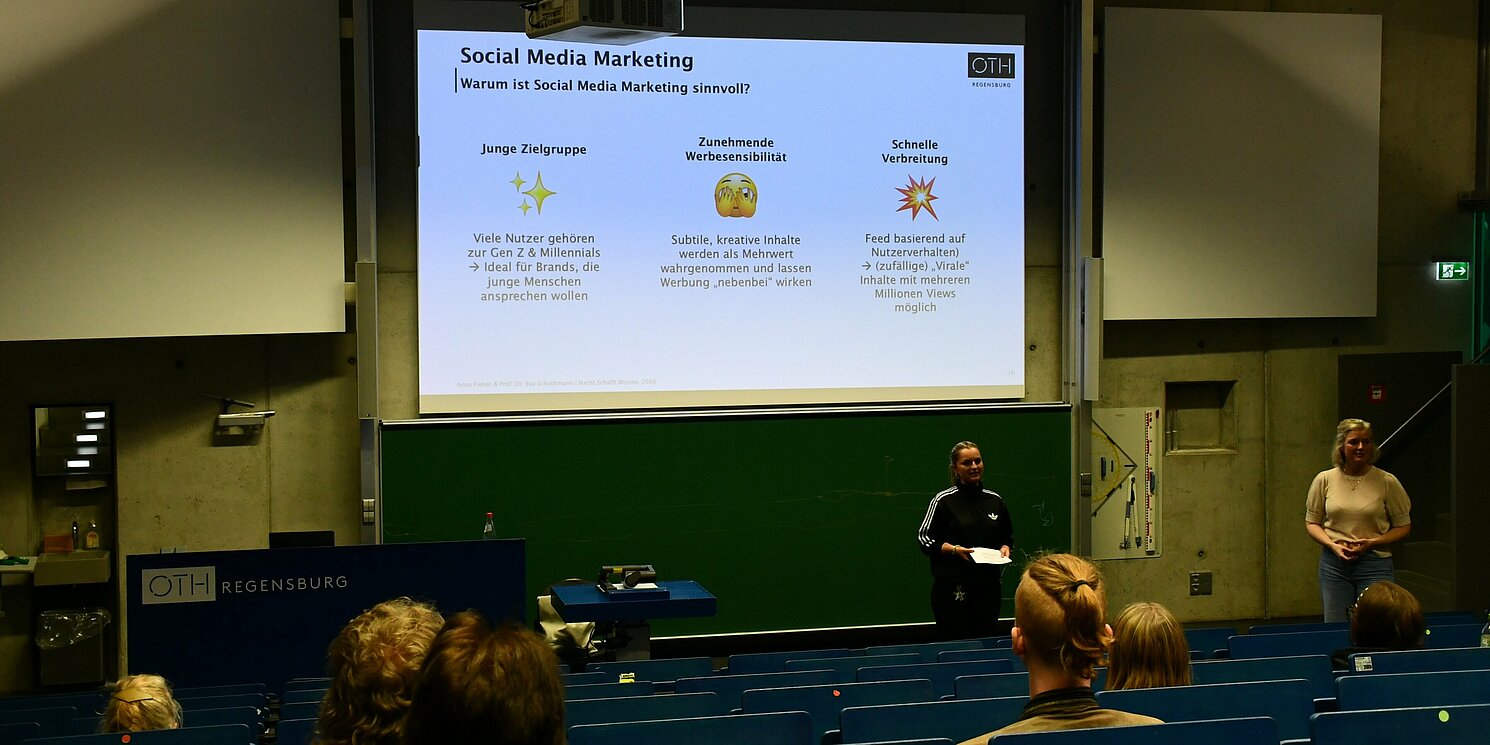
The Faculty of Business and Management, meanwhile, hosted a blind tasting session, allowing visitors to experience how marketing strategies influence our perceptions. At the Green Office stand, visitors explored issues relating to energy consumption and sustainable mobility. OTH Regensburg remained a crowd-puller well into the late evening.