It is a topic that many keep quiet about, yet one that affects millions: incontinence. Around 30 per cent of women suffer from it at some point in their lives, often as a result of pelvic floor dysfunction. Despite this high figure, the scientific evidence to date is surprisingly scarce. Researchers at OTH Regensburg want to change this and are raising public awareness of the issue with an interdisciplinary symposium on 12 June.
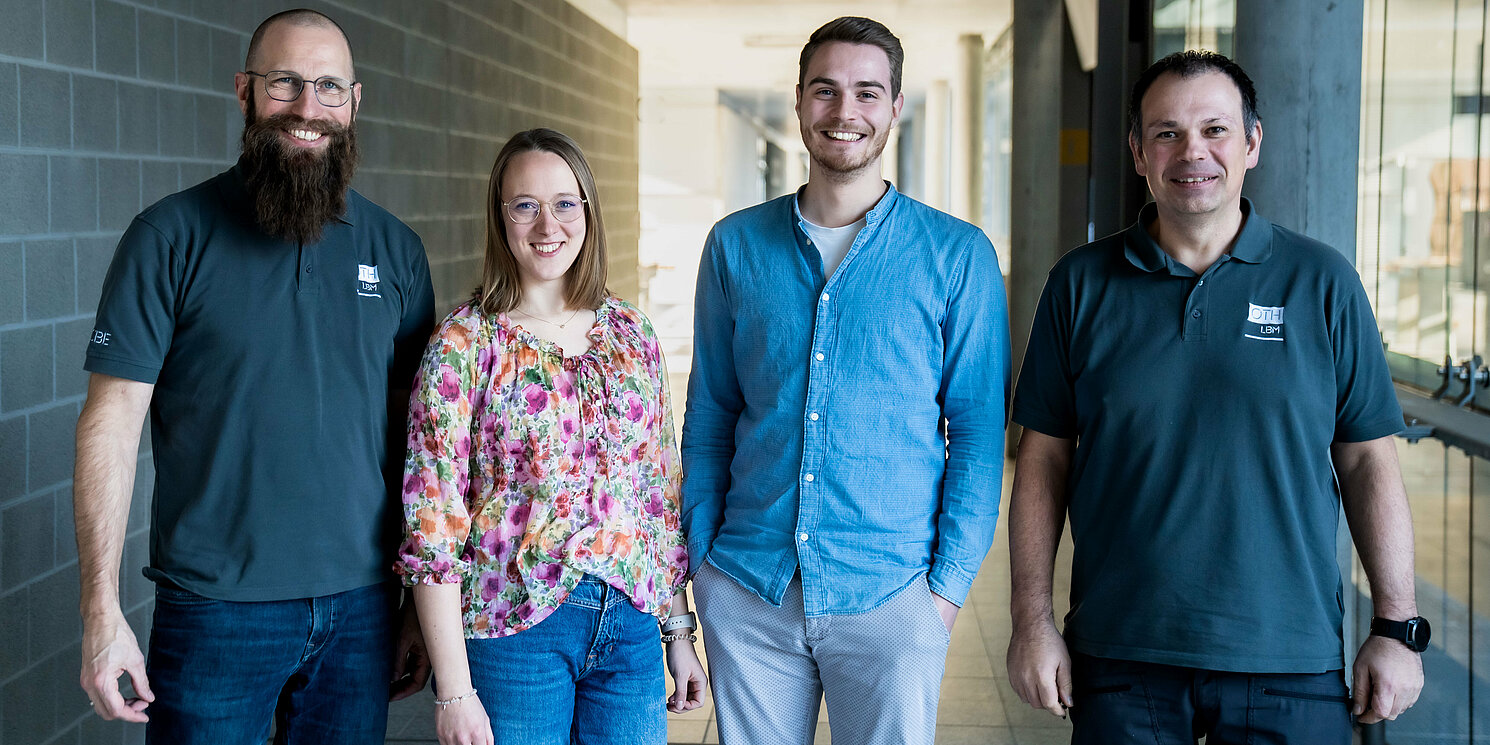
“To this day, very little is actually known about pelvic floor problems. Whilst traditional exercises help in many cases, they lack sufficient scientific evidence,” says Nikolas Förstl, a PhD student in the Biomechanics Laboratory. Together with his colleague Ina Kasberger, he is working on the research project “3PD – Prevention of Pelvic Floor Problems” to close this gap.
Closing a research gap with high-tech solutions
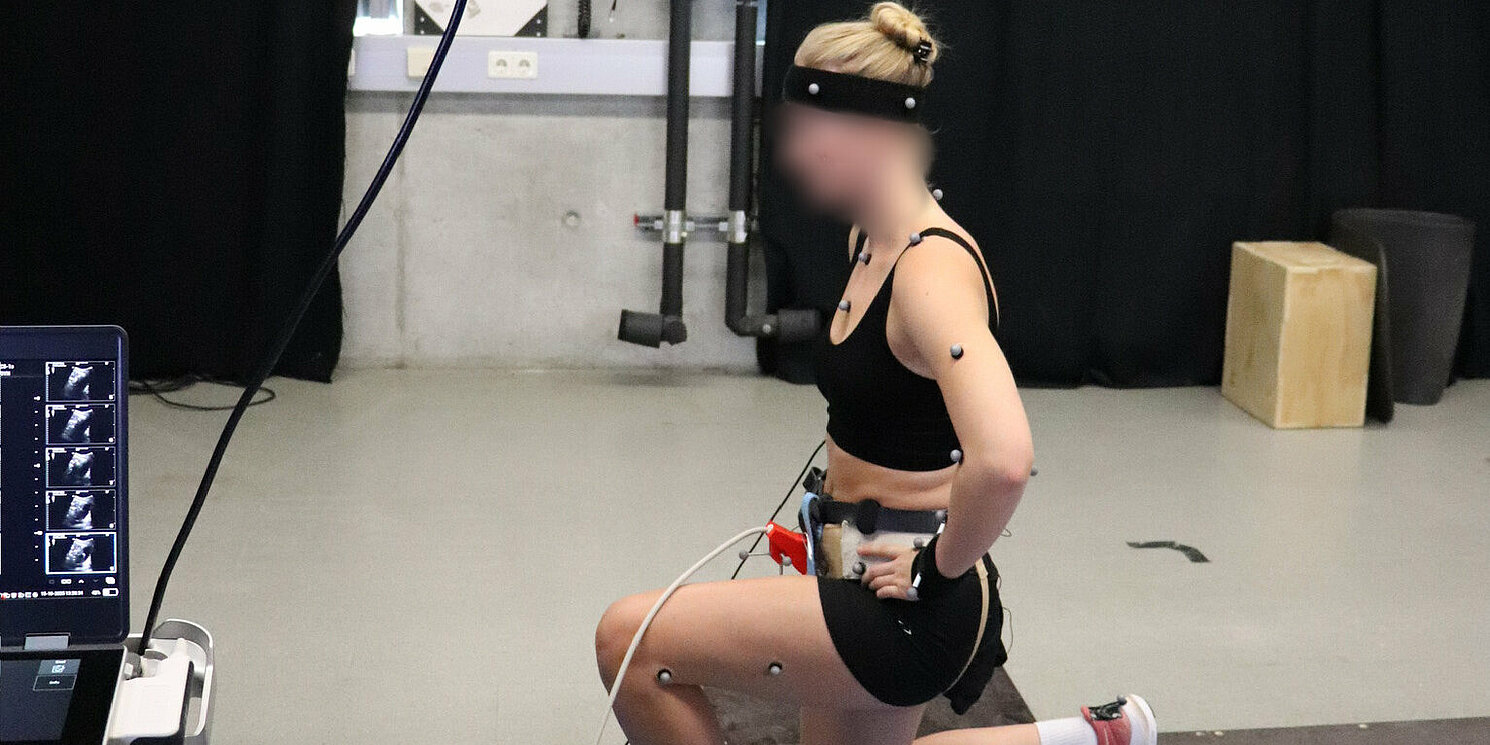
Led by Prof. Dr Sebastian Dendorfer, the team is investigating how the pelvic floor is actually strained in everyday life and how its muscles respond to these stresses, in order to better understand their interaction and behaviour. To this end, 26 female participants aged between 18 and 45 were fitted with full-body sensors as part of a study. In a camera-assisted laboratory setting, they performed various movement sequences, ranging from everyday activities to sporting exercises.
The researchers are currently analysing this data using biomechanical models and specialised software. The aim is to gain a precise understanding, for the first time, of the forces acting within the body, in order to then investigate the functional responses to them. High levels of strain are considered a possible factor in incontinence or organ prolapse. However, this cannot be explained solely by a weakened pelvic floor, as the symptoms also occur in young female athletes, such as gymnasts or weightlifters.
“We are looking at the pelvic floor from a biomechanical perspective,” explains Prof. Dr Dendorfer. “Our focus is clearly on prevention. Because waiting until pregnancy or the onset of symptoms to address the issue is often too late.”
Digital training tool for preventive care
In the long term, the findings are to be incorporated into a digital training tool: the plan is to develop an app that uses sensors and artificial intelligence to suggest personalised exercises for strengthening, relaxation and proper breathing. An integrated chatbot will also be available to answer users’ questions in an accessible manner and help raise awareness. Initial insights into these developments will be presented at the symposium.
The project is being carried out in collaboration with the University of West Bohemia in Pilsen and is funded by the European Union. The experimental work has now been completed, and the extensive data is currently being analysed. The project is scheduled for completion in June 2026.
Symposium on 12 June for a wide audience
With the symposium “The Pelvic Floor – Evidence, Challenges, Perspectives”, part of a new series of lectures entitled “Forgotten Patients. Not Measured? Not Understood? Not Treated?”, on Friday 12 June from 10 am, OTH Regensburg is deliberately opening up the topic to a wide audience. Experts from the fields of medicine, physiotherapy and science are invited, as are companies from the healthcare sector and interested members of the public. In addition to specialist presentations, practical insights will also be offered, ranging from modern sensor technology and training stations to further research projects, for example on osteoporosis or fall prevention. Registration for the symposium is available on the project’s website, www.beckenboden-praevention.de.
“We want to replace opinions with facts and thereby enable meaningful and effective prevention. This is all the more important when dealing with a taboo subject such as the pelvic floor,” says Prof. Dr Dendorfer.
Anyone wishing to gain an early insight into pelvic floor research should make a note of Friday, 24 April: as part of Nacht.Schafft.Wissen, the Biomechanics Laboratory in Regensburg will also be opening its doors. Prof. Dr Dendorfer will be presenting on biomechanical findings at 9 pm. Registration is required by 5 pm on 23 April. The full programme of events at OTH Regensburg for Nacht.Schafft.Wissen, as well as the registration form, is available on the website www.nacht-schafft-wissen.de.