The basis for this is provided by amendments made by the Nursing Studies Strengthening Act and the Act on the Expansion of Powers and Debureaucratisation in Nursing (BEEP), which came into force on 1 January 2026. These legal requirements strengthen the competencies of nursing professionals. The programme now enables prospective academic nursing professionals to take on medical tasks independently in three defined areas of focus: diabetic metabolism, chronic wounds and dementia.
Prof. Dr. Christa Mohr and Prof. Dr. Klaudia Winkler were instrumental in developing the expanded programme concept. In addition to integrating medical modules into the curriculum, the partner institutions were also involved in the further development. Prof. Dr. Dorothea Thieme accompanied this process in her role as practice representative.
A new dimension added to the job description
The expansion of the degree programme is fundamentally changing the professional self-image in nursing. "The academic path in nursing is still uncharted territory for many, and by taking on medical tasks, we are adding a new dimension to the job description. Since there are currently few role models for these roles in practice, we provide the necessary guidance in the basic module: We clarify precisely what reserved tasks entail and where the line between mere delegation and genuine nursing substitution lies. Our goal is for students to develop a professional self-image that will enable them to take their place in an expanded care process in the future," says Prof. Dr Christiane Wissing, programme director.
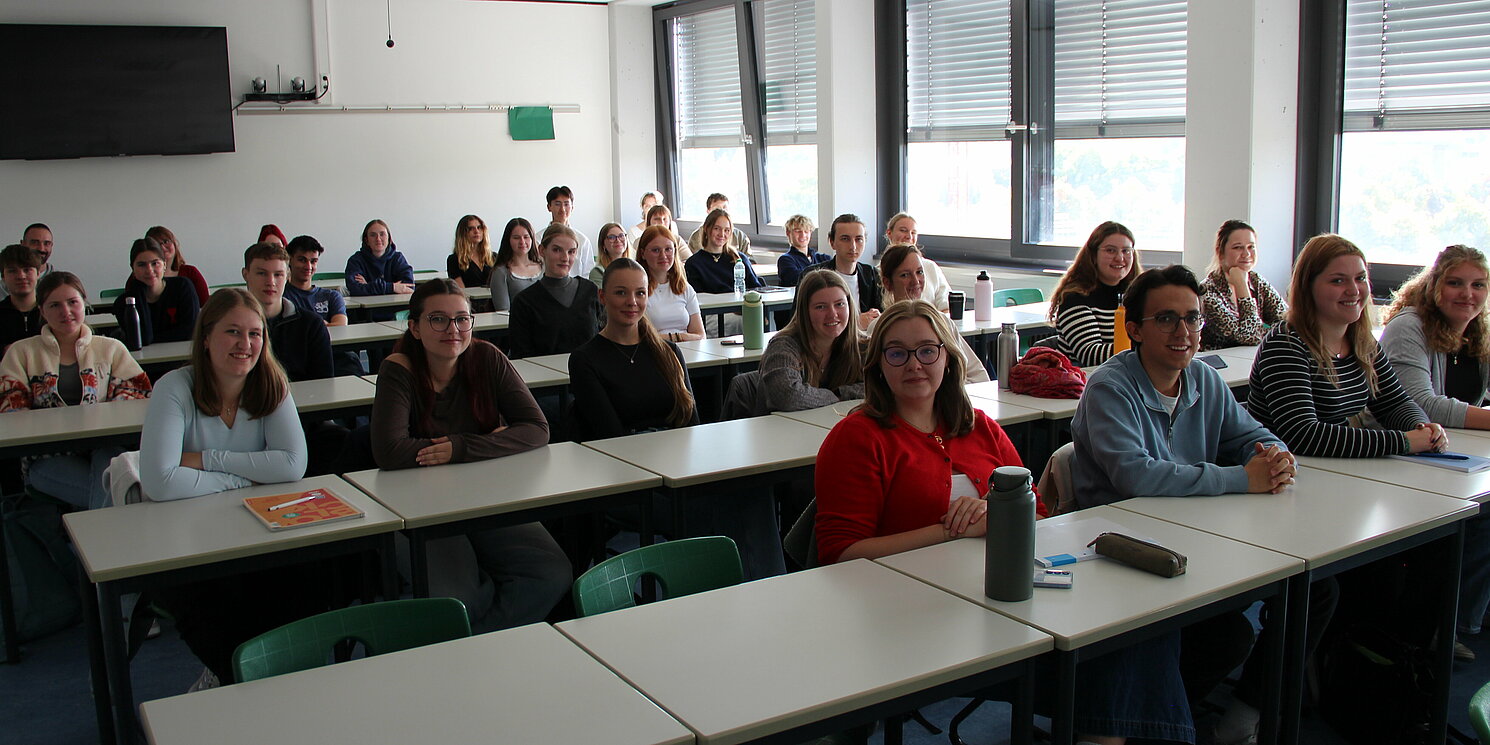
The first cohort of 36 students started in the winter semester. Among other things, the basic module Medicine I, which dealt with professional self-image in the context of legal changes, has already been taught.
Practical training right from the start
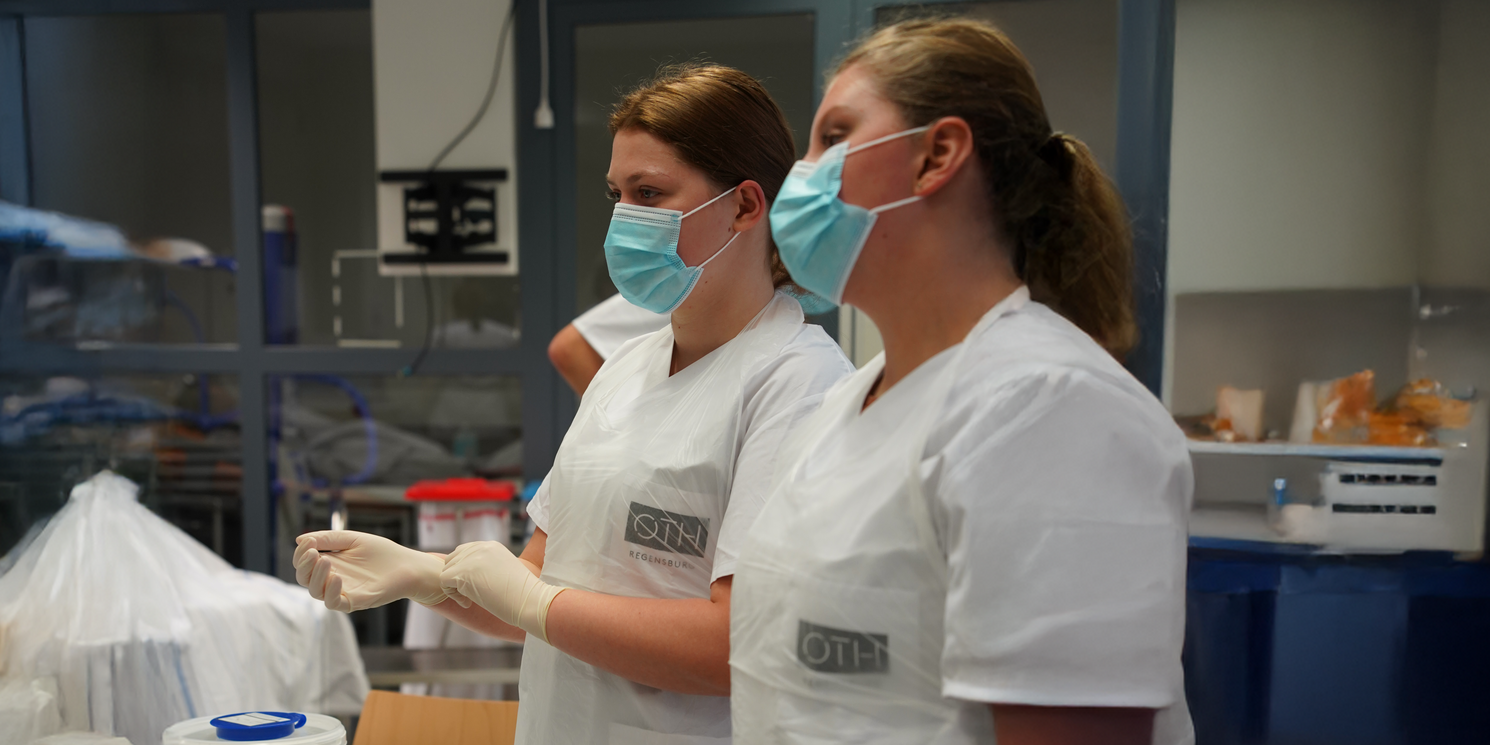
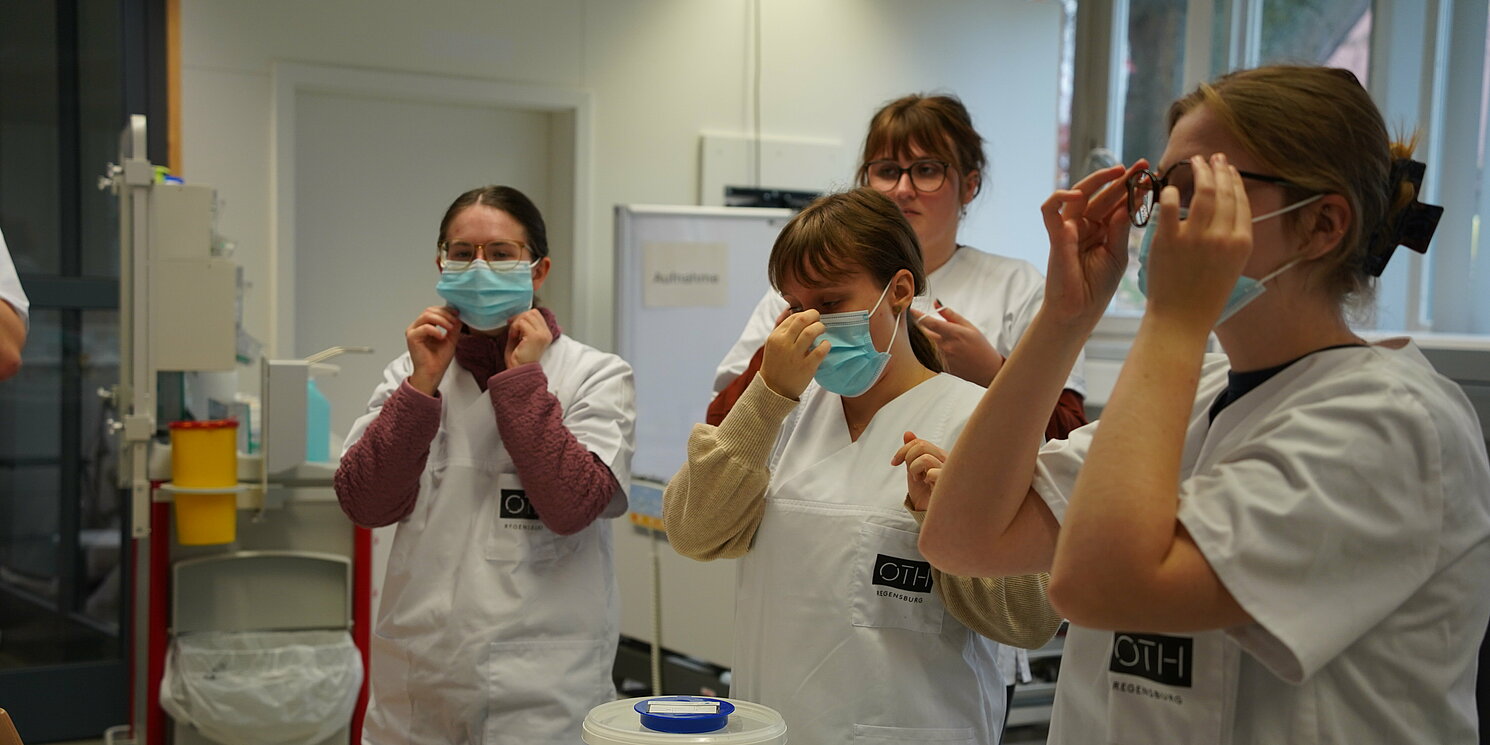
Alongside theoretical qualifications, the focus is on practical training. In the Nursing Practice I module, students practised basic skills in patient safety and patient observation. Since January, students have been on their first practical placement. The aim is to practise basic patient care measures, taking into account individual clinical pictures and courses of illness.
The students are accompanied by practical instructors from the cooperating institutions. In addition, selective medical practical instruction is already taking place in the main areas of focus in order to illustrate the differences between the principles of delegation and substitution using real cases
Academisation with an expanded skills profile
The expanded bachelor's degree programme in nursing creates a qualification profile that goes beyond traditional patient care. Graduates take on responsibility in highly complex care situations and make independent therapeutic decisions in the context of an expanded care process – particularly in the areas of diabetic metabolism, wound management and dementia.
After completing their studies, they combine their nursing work with scientific expertise: they evaluate current scientific findings and implement new care concepts directly in everyday clinical practice. In addition to the professional management of teams, they also manage cross-sector care processes.
As part of its university development plan, OTH Regensburg is placing a specific focus on health in order to combine practical research, academic qualifications and innovative care concepts. The bachelor's degree also opens the way to further master's programmes and doctorates